

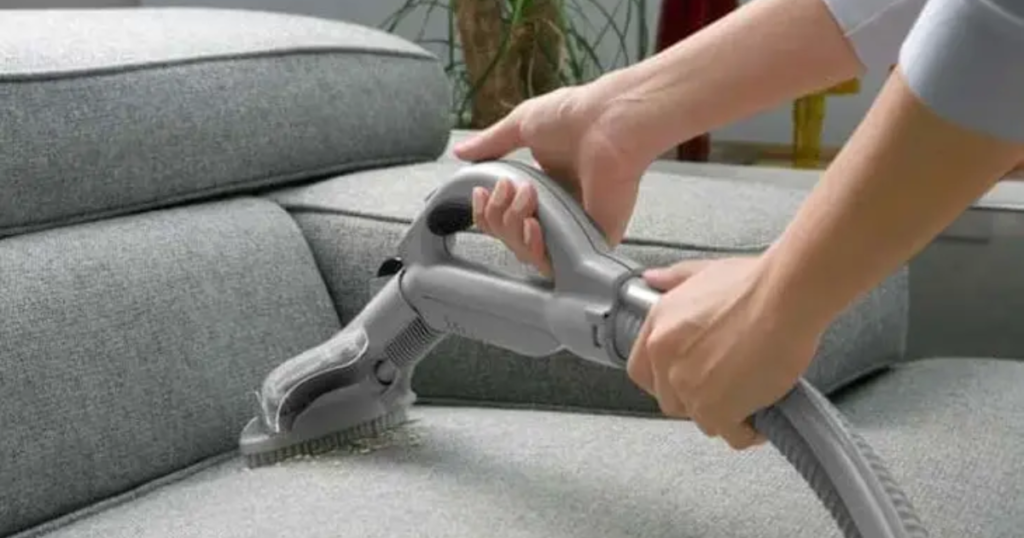
Sofas, couches, sectionals, armchairs, dining chairs, and office chairs collect dust, crumbs, body oils, pet hair, sweat, food spills, odours, and stains. They can still hold buildup even when they look clean from a distance. That is why professional sofa and upholstery cleaning in Toronto can refresh furniture and improve comfort for homeowners, renters, landlords, and office managers alike.
Toronto condos, apartments, houses, offices, rental units, Airbnb units, family homes, and pet-friendly spaces all face different upholstery cleaning needs. TidyUp HandyCrew offers carpet and upholstery deep cleaning services in Toronto for sofas, couches, chairs, stains, odours, and everyday fabric buildup.
What Are Sofa and Upholstery Cleaning Services?
Sofa and upholstery cleaning services help remove embedded dirt, dust, stains, odours, pet hair, body oils, allergens, crumbs, and residue from upholstered furniture.
Professional upholstery cleaning can include fabric inspection, care-code review, vacuuming, stain pre-treatment, fabric-safe deep cleaning, odour treatment where included, drying guidance, and a final walkthrough.
However, every piece of furniture is different. The scope depends on furniture type, fabric type, care code, stain age, odour level, furniture size, access, and add-ons.
Quick Answer: When Should You Book Upholstery Cleaning?
You should book upholstery cleaning when your sofa, couch, chairs, or fabric furniture no longer feels fresh.
Upholstery cleaning may be needed when:
- Sofa looks dull or stained
- Couch smells musty or stale
- Pet odour remains after vacuuming
- Fabric feels sticky or oily
- Food or drink stains are visible
- Sectional has high-use seating marks
- Guests or family are coming
- You are moving in or moving out
- You are preparing a rental or Airbnb unit
- Office chairs look worn or dirty
- Renovation dust settled on furniture
- DIY cleaning left water marks or residue
In many cases, upholstery deep cleaning works well before guests arrive, after winter indoor use, after tenants leave, or after renovation dust settles.
What Is Included in Professional Upholstery Cleaning?
Professional upholstery cleaning usually starts with inspection. Then the cleaning team checks fabric type, stains, odours, cushion condition, and high-use areas.
A professional upholstery cleaning checklist can include:
- Furniture inspection
- Fabric and care-code review
- Cushion and frame vacuuming
- Crevice cleaning where accessible
- Stain identification
- Spot pre-treatment
- Body oil and high-use area treatment
- Fabric-safe cleaning method
- Odour treatment where included
- Cushion reset where applicable
- Drying instructions
- Final walkthrough
Results can depend on fabric condition, stain age, previous cleaning attempts, and normal wear. For example, a fresh coffee stain may respond better than an old stain that has reached cushion foam.
Sofa and Upholstery Cleaning Checklist for Toronto Homes
A practical upholstery cleaning plan should focus on the furniture people use most. In many homes, that means sofas, sectionals, armchairs, dining chairs, and office chairs.
Sofas and Couches
Sofas and couches get daily use from family, guests, pets, and kids. Therefore, they often collect crumbs, body oils, spills, and odours.
Focus on:
- Seat cushions
- Back cushions
- Arms
- Headrest areas
- Crevices
- Food spill zones
- Pet resting spots
- Body oil marks
- Odour areas
Also, check under cushions before cleaning starts. Small items, crumbs, and pet hair often settle there.
Sectional Sofas
Cleaning a sectional in Toronto usually takes longer because sectionals have more surface area. They also have more seams, corners, and high-use seats.
Focus on:
- High-use seats
- Corner sections
- Chaise areas
- Cushion seams
- Pet hair buildup
- Snack and drink zones
- Large surface drying needs
In addition, large sectionals may need more drying time. Plan room use around that.
Armchairs and Recliners
Armchairs and recliners often show body oil buildup on arms and headrests. They may also collect dust in moving parts or gaps.
Focus on:
- Armrests
- Seat cushions
- Headrest areas
- Recliner gaps
- Remote-control areas
- Body oil buildup
These areas can look darker over time because oils and dust collect together.
Dining Chairs and Bar Stools
Dining chairs and bar stools collect food stains, grease, and kid-related spills. Fabric backs and seat edges also collect fingerprints and crumbs.
Focus on:
- Food stains
- Grease marks
- Seat edges
- Fabric backs
- High-touch areas
- Kid-related spills
Because dining furniture sits near food, quick treatment can help prevent stains from setting.
Office Chairs and Waiting Room Seating
Office chair cleaning refreshes shared seating and client-facing areas for Toronto businesses. Chairs collect dust, lint, coffee spills, body oils, and everyday residue.
Focus on:
- Seat cushions
- Chair backs
- Armrests
- High-touch areas
- Coffee spills
- Dust and lint
- Shared-use odours
Also, office cleaning can work better after hours, especially for waiting rooms and meeting areas.
Fabric Types and Sofa Care Codes
Fabric type controls the cleaning method. Some upholstery can handle water-based cleaning, while other fabrics need special care.
Common care codes include:
- W code: water-based cleaning may be safe
- S code: solvent-based cleaning may be needed
- W/S code: water or solvent cleaning may be allowed
- X code: vacuum-only cleaning is safest
- Missing tag: test carefully or ask a professional
Fabric, microfibre, velvet, linen blends, cotton blends, polyester, and leather may all need different care. Therefore, never assume one cleaner works for every sofa.
For more detail, read this guide on how to clean upholstery sofa fabric.
Fabric Sofa Cleaning
Fabric sofa cleaning removes dust, crumbs, body oils, pet hair, and everyday marks from high-use seating. Vacuum the sofa before any wet cleaning, which lifts dry soil before moisture touches the fabric.
Also, fabric sofas need moisture control. Too much water can leave water marks, slow drying, or pull hidden residue to the surface. For practical sofa care tips, read this guide on how do you clean a fabric sofa.
Leather Sofa Cleaning
Leather sofa cleaning needs a different approach than fabric upholstery. It does not respond well to heavy moisture or harsh cleaners.
Gentle wiping, leather-safe products, and conditioning where applicable all help, with careful testing first.
For leather-specific care, read this guide on how can I clean leather sofa.
Steam Cleaning vs Deep Upholstery Cleaning
Many people say steam cleaning when they mean professional upholstery cleaning. However, not every sofa should receive the same cleaning method.
Some upholstery cleaning uses controlled moisture and extraction. Meanwhile, deep upholstery cleaning focuses on embedded soil, stains, odours, and body oil buildup.
Delicate fabrics may need low-moisture or special methods. Therefore, fabric inspection matters before cleaning begins.
For a related cleaning-method comparison, review steam vs deep clean carpet cleaning cost in Toronto.
Common Upholstery Stains and How Professionals Handle Them
Different stains need different treatment. The right approach depends on the spill, fabric, stain age, and previous cleaning attempts.
Coffee, Tea, and Wine Stains
Coffee, tea, and wine can leave visible marks quickly. Blotting helps more than rubbing because rubbing can spread the stain.
Fast treatment can improve results. However, older drink stains may need more detailed pre-treatment.
Food, Grease, and Sauce Stains
Food spills can leave sticky spots. Grease and sauces can also cling to fibres and attract dirt.
Professional cleaning treats oily residue effectively, though results vary with fabric type and stain age.
Makeup, Ink, and Dye Marks
Makeup, ink, and dye marks need careful testing. These stains can spread when the wrong product touches them. Also, some dye stains may become permanent. In those cases, cleaning may improve the stain but not remove it fully.
Sweat, Body Oils, and Headrest Marks
Sweat and body oils often collect on armrests, headrests, and favourite seats. Over time, these areas may look darker or feel sticky. Body-oil treatment works especially well on sofas used every day.
Pet Stains and Odours
Pet stain upholstery cleaning targets urine, hair, dander, repeated accidents, and deeper odour sources. However, severe pet odours may need extra treatment if they reached cushion foam.
Old Stains and Water Rings
Old stains can become harder to treat. Also, previous cleaning attempts may leave water rings or residue. The fabric condition matters here. Some fibres may have permanent marks from stain age, heat, chemicals, or repeated scrubbing.
Why Some Upholstery Stains Come Back After Cleaning
Some upholstery stains return because residue sits deeper in the cushion fabric or foam. As the fabric dries, moisture may pull hidden residue back to the surface.
DIY cleaning can also leave soap behind. As a result, the cleaned spot can attract dirt and look darker again.
Old stains, pet accidents, body oils, and over-wet DIY cleaning can all cause recurring marks. Therefore, share stain history before your upholstery cleaning appointment.
Sofa Odour Removal: What Causes Upholstery Smells?
Sofa odour removal depends on the source. Sometimes furniture looks clean, but odour remains in fabric, seams, or cushion foam.
Common odour causes include:
- Pet accidents
- Body oils
- Sweat
- Food spills
- Smoke residue
- Damp basements
- Poor drying
- Old stains
- Humidity
- Everyday use
Odour treatment varies with severity. Most smells improve with deep cleaning. However, deeper odours may need extra treatment if they reached cushion foam.
How Long Does Upholstery Take to Dry?
Upholstery drying time depends on fabric type, cushion thickness, airflow, humidity, temperature, cleaning method, moisture level, and room access.
General drying ranges include:
- Light fabric cleaning: 3–6 hours
- Deeper upholstery cleaning: 6–12 hours
- Thick cushions or humid rooms: 12–24 hours
- Leather cleaning: depends on product and conditioning method
Basements, thick cushions, and humid rooms may dry more slowly. Also, large sectionals often need more time than small chairs.
How to Help Upholstery Dry Safely
Good drying habits help protect furniture after cleaning.
After upholstery cleaning:
- Increase airflow
- Use fans
- Keep room temperature comfortable
- Open windows when weather allows
- Avoid sitting on damp furniture
- Keep pets away while drying
- Do not cover damp cushions
- Let cushions dry fully before heavy use
- Avoid over-wetting during DIY cleaning
Also, ask the cleaners for drying guidance before they leave. This helps you plan pets, kids, guests, and room use.
Upholstery Cleaning for Condos and Apartments in Toronto
Upholstery cleaning in Toronto condos often needs access planning. Many buildings have concierge desks, elevator rules, loading areas, parking limits, and work-hour policies.
Before the visit, share:
- Buzzer or concierge access
- Elevator booking details
- Parking or loading instructions
- Room priorities
- Pet odour concerns
- Move-out deadlines
- Shared hallway rules
- Noise or work-hour policies
- Limited drying space
In Toronto apartments, upholstery cleaning also helps before moving out. Clean furniture can improve the overall look and feel of the unit.
Upholstery Cleaning for Houses and Family Homes
Family homes often have sofas used every day, larger sectionals, kids’ rooms, basements, pet areas, and guest spaces.
For Toronto families, upholstery cleaning handles seasonal refreshes, guest preparation, pet odour, and high-use seating. Also, regular maintenance can keep furniture feeling fresher between deep cleans.
For broader home upkeep, TidyUp HandyCrew also offers residential cleaning services in Toronto for houses, condos, apartments, and busy households.
Upholstery Cleaning for Move-In, Move-Out, Rentals and Airbnb
Upholstery cleaning works well before guests, after tenants, before listing photos, or before moving into a furnished unit.
Clean furniture matters because stained sofas and old odours can affect first impressions. This is especially important for landlords, property managers, real estate agents, and Airbnb hosts.
Upholstery cleaning can help when:
- Empty rooms give better access
- Stained furniture affects impressions
- Old odours affect guest comfort
- Airbnb furniture needs frequent upkeep
- Sofas need drying time before use
- Quick rental turnover is needed
For full moving support, explore move-in and move-out cleaning services in Toronto.
Upholstery Cleaning After Renovation or Construction Dust
Renovation dust can settle on sofas, chairs, cushions, and fabric surfaces. It can also collect near seams, cushion edges, and furniture close to the work area.
Upholstery cleaning after renovation can help with:
- Drywall dust
- Flooring dust
- Paint project dust
- Contractor foot traffic
- Dust near furniture seams
- Upholstered furniture left uncovered during work
If your space needs a broader cleanup after work ends, consider post-renovation cleaning services in Toronto.
Upholstery Cleaning for Offices and Business Spaces
Professional upholstery cleaning helps Toronto businesses maintain office chairs, reception seating, meeting room chairs, and staff lounge furniture.
Office seating collects coffee spills, shared-use odours, body oils, lint, and dust. Therefore, periodic cleaning can help client-facing spaces look more polished.
For broader workplace upkeep, TidyUp HandyCrew provides office cleaning services in Toronto for offices, small businesses, clinics, and customer-facing spaces.
DIY Upholstery Cleaning vs Professional Upholstery Cleaning
DIY upholstery cleaning can work for small, fresh stains. However, large furniture, delicate fabrics, old stains, and pet odours often need more care.
DIY may work when:
- The stain is small and fresh
- Surface dust is light
- The care code is W or W/S
- The fabric is low risk
- The cushion is small
- You have time to dry it fully
Professional cleaning makes more sense when:
- The sectional is large
- Stains are old
- Pet odour remains
- Fabric is delicate
- Leather needs cleaning
- A move-out deadline is close
- Airbnb turnover is coming
- Office seating needs cleaning
- Renovation dust settled in
- DIY cleaning left sticky residue
- Water marks keep coming back
- Fabric-safe guidance matters
For DIY sofa care, review how to clean a sofa without a steam cleaner.
What May Require Add-Ons or Separate Services?
Some upholstery problems need extra time, special treatment, or separate services.
These can include:
- Heavy pet urine treatment
- Cushion foam odour
- Severe smoke odour
- Ink or dye stains
- Red wine stains
- Grease buildup
- Leather conditioning
- Delicate fabric cleaning
- Antique upholstery
- Large sectional cleaning
- Fabric protector application
- Mattress cleaning
- Carpet cleaning
- Water damage restoration
- Mould remediation
- Pest-related cleaning
- Upholstery repair or replacement
Some stains may improve but not fully disappear if fibres have permanent damage. Therefore, share photos and stain details before booking.
How to Prepare Before Upholstery Cleaners Arrive
A little preparation helps cleaners focus on upholstery treatment instead of clearing the room.
Before the visit:
- Remove blankets and pillows
- Clear items from the sofa
- Pick up toys, cords, and small items
- Vacuum if requested
- Secure valuables
- Mention pets
- Identify stains and odours
- Share previous cleaning attempts
- Check fabric care tag if possible
- Confirm parking or building access
- Share elevator or concierge instructions
- Plan drying time
Also, mark the stains that matter most. This helps the cleaning team inspect them before treatment starts.
How Often Should Upholstery Be Professionally Cleaned?
Upholstery cleaning frequency depends on use, pets, children, allergies, stains, odours, fabric type, and business traffic.
Practical ranges include:
- Low-use sofa: every 12–18 months
- Busy family sofa: every 6–12 months
- Pet homes: every 6–12 months or as needed
- Airbnb or rental furniture: between stays or as needed
- Office chairs and waiting rooms: quarterly, semi-annually, or annually depending on traffic
High-use furniture may need cleaning more often than guest-room chairs or low-use seating.
How Much Does Sofa and Upholstery Cleaning Cost in Toronto?
Upholstery cleaning cost in Toronto depends on furniture type, number of pieces, fabric type, stain level, odour level, access, and add-ons.
TidyUp HandyCrew offers upholstery cleaning on a flexible hourly basis, typically $30–$50 per hour per cleaner, so you only pay for the time your pieces need. Smaller jobs like a single armchair or a few dining chairs take less time than a large sectional or a whole-room refresh. New customers also get 10% off their first clean, with 10–20% savings on recurring bookings. For an exact figure on your furniture, request a free quote.
Cost factors can include:
- Furniture type
- Number of pieces
- Sofa size
- Sectional size
- Fabric type
- Stain type
- Odour level
- Pet accidents
- Cushion thickness
- Furniture condition
- Building access
- Parking
- Drying needs
- Add-ons
- Service urgency
For method and pricing comparisons, read this guide on steam vs deep clean carpet cleaning cost in Toronto.
Common Upholstery Cleaning Mistakes People Make
Upholstery cleaning mistakes can make stains worse or leave residue behind.
Avoid these issues:
- Cleaning without checking the care tag
- Rubbing stains instead of blotting
- Using too much water
- Using the wrong cleaner
- Skipping a hidden spot test
- Sitting on damp cushions too soon
- Covering damp cushions
- Ignoring pet odour sources
- Waiting too long to treat stains
- Overusing soap
- Not drying upholstery fully
- Expecting all old stains to disappear
Instead, check the fabric, blot stains early, avoid over-wetting, and ask for help when stains keep returning.
Final Checklist Before Booking Upholstery Cleaning
Before requesting a quote, prepare the main details.
Use this checklist:
- Count furniture pieces
- Identify sofa, sectional, chairs, or office seating
- Note fabric type if known
- Check care tag if possible
- List stains and odours
- Mention pets
- Decide if leather needs cleaning
- Confirm condo or office access
- Choose preferred date
- Plan drying time
- Ask about add-ons
- Prepare quote details
- Save contact information
These details help the cleaning team recommend the right service scope.
Book Sofa and Upholstery Cleaning in Toronto
Sofa and upholstery cleaning in Toronto helps homeowners, condo owners, renters, landlords, property managers, families, pet owners, Airbnb hosts, and office managers refresh furniture and improve the feel of a space. Our insured Toronto team has cleaned upholstery in condos, houses, rentals, and offices across the city, with fabric-safe methods and clear pricing before we start. We serve Toronto and the wider GTA, including Scarborough, North York, Etobicoke, and the downtown core.
TidyUp HandyCrew helps with upholstery deep cleaning, fabric sofa cleaning, sectional sofa cleaning, couch stain removal, sofa odour removal, pet stain upholstery cleaning, office chair cleaning, and seasonal furniture care. Whether your sofa has pet marks, body oils, food stains, renovation dust, old odours, or daily wear, our team can help.
Ready to refresh your furniture? Book sofa and upholstery cleaning or request an upholstery cleaning quote today. We serve Toronto and the wider GTA, including Scarborough, North York, Etobicoke, and the downtown core.
FAQs About Sofa and Upholstery Cleaning in Toronto
1. What is included in sofa and upholstery cleaning in Toronto?
Answer: A standard service covers a fabric and care-code inspection, vacuuming and crevice cleaning, stain pre-treatment, body-oil and high-use area treatment, a fabric-safe deep clean, odour treatment where included, and drying guidance with a final walkthrough.
2. How long does upholstery take to dry after cleaning?
Answer: Light fabric cleaning may take 3–6 hours to dry. Deeper upholstery cleaning may take 6–12 hours. Thick cushions or humid rooms can take 12–24 hours.
3. Can professional upholstery cleaning remove old stains?
Answer: Professional upholstery cleaning can improve many old stains. However, results depend on stain type, fabric condition, stain age, previous cleaning attempts, and whether the stain reached cushion foam.
4. Can leather sofas be professionally cleaned?
Answer: Yes, leather sofas can be cleaned with leather-safe methods. Leather needs a different approach than fabric because excess water and harsh products can damage the finish.
5. How much does sofa and upholstery cleaning cost in Toronto?
Answer: TidyUp HandyCrew offers upholstery cleaning on an hourly basis, typically $30–$50 per hour per cleaner. Pricing depends on how many pieces you have and their size, fabric, and condition. New customers get 10% off their first clean. Request a free quote for an exact figure.
