


Commercial cleaning in Toronto can include floor care, dusting, restroom sanitizing, waste removal, kitchen and breakroom cleaning, high-touch surface disinfection, and cleaning of customer-facing areas. The right service plan depends on the type of business, foot traffic, operating hours, and how often the space is used.
Toronto offices, showrooms, restaurants, retail stores, coworking spaces, and managed commercial properties all have different cleaning needs. Some businesses require daily or after-hours cleaning, while others may only need weekly, periodic, or one-time service.
TidyUp HandyCrew provides commercial cleaning services in Toronto for businesses that want clean, organized, and professional spaces for employees, customers, and visitors.
What Are Commercial Cleaning Services?
Commercial cleaning services help keep business spaces clean, professional, organized, and ready for staff, clients, visitors, tenants, and customers.
A commercial cleaning plan may include reception areas, floors, workstations, restrooms, kitchens, breakrooms, garbage and recycling, glass, high-touch surfaces, display areas, shared spaces, and scheduled maintenance cleaning.
However, the exact scope depends on the business type, traffic level, square footage, floor type, restroom count, cleaning frequency, and service priorities.
Quick Answer: What Is Included in Commercial Cleaning?
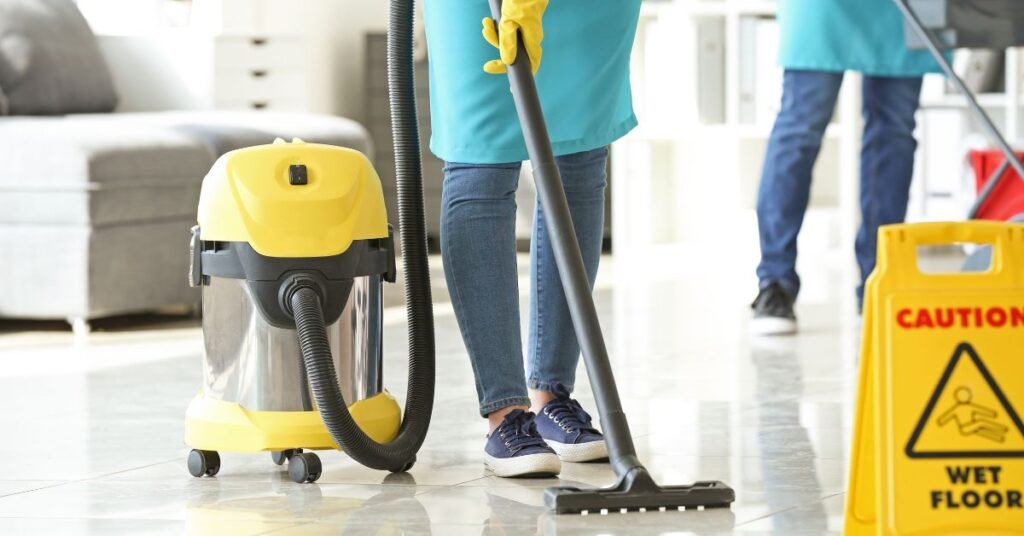
Commercial cleaning can include regular cleaning, detailed cleaning, or add-on support depending on the business.
Common tasks include:
- Reception and entrance cleaning
- Office and workstation surface cleaning
- Meeting room cleaning
- Showroom or display area cleaning
- Retail floor cleaning
- Restaurant front-of-house cleaning
- Kitchen or breakroom cleaning
- Restroom cleaning
- Trash and recycling removal
- Floor vacuuming or mopping
- Glass and door spot cleaning
- High-touch surface cleaning
- After-hours cleaning if needed
- Periodic deep cleaning or add-ons
The best plan depends on how customers, staff, and visitors use the space.
Why Commercial Cleaning Matters for Toronto Businesses
A clean business space supports first impressions, staff comfort, client confidence, customer experience, and daily operations.
Reception areas, floors, washrooms, kitchens, counters, and customer-facing zones can affect how people feel when they enter. Also, high-touch areas can collect visible buildup quickly during busy days.
For more business-focused cleaning benefits, read why office cleaning is essential for Toronto businesses. A consistent cleaning schedule can help your workplace look more polished and prepared.
Commercial Cleaning vs Office Cleaning vs Deep Cleaning
Commercial cleaning is a broad category. It can cover offices, showrooms, retail spaces, restaurants, clinics, coworking spaces, and property-managed areas.
Office cleaning focuses more specifically on workstations, meeting rooms, kitchens, restrooms, floors, and common office areas. For office-specific help, explore office cleaning services in Toronto.
Commercial deep cleaning targets heavier buildup. It may include detailed dusting, baseboards, floors, carpets, glass, kitchen details, and high-traffic areas.
| Cleaning Type | Best For | Main Focus |
| Commercial cleaning | Business spaces of many types | Ongoing cleaning and presentation |
| Office cleaning | Offices and workplaces | Desks, meeting rooms, kitchens, washrooms, floors |
| Commercial deep cleaning | Heavier buildup or periodic detail work | Detailed dust, floors, baseboards, glass, high-use areas |
Commercial Cleaning Checklist by Area
A clear checklist helps businesses choose the right scope before requesting a quote.
Entrances and Reception Areas
Entrances and reception areas create the first impression. Cleaning may include doors, handles, floors, mats, front desks, waiting areas, glass, and visible dust.
Because people notice these areas first, they often need frequent attention.
Floors and High-Traffic Areas
Floors collect dirt, salt, mud, dust, and foot traffic marks. This is especially common in Toronto during winter, spring, and rainy weather.
Cleaning may include vacuuming, sweeping, mopping, and spot attention based on the floor type.
Restrooms
Restrooms need consistent cleaning because staff, customers, and visitors use them throughout the day.
Tasks may include sinks, counters, mirrors, fixtures, floors, garbage, high-touch areas, and restocking if included in the service plan.
Kitchens and Breakrooms
Shared kitchens and breakrooms can collect crumbs, spills, fingerprints, and garbage quickly.
Cleaning may include counters, sinks, tables, appliance exteriors, floors, and waste removal.
Glass, Doors and Display Surfaces
Glass, doors, mirrors, and display surfaces show fingerprints fast. This matters for showrooms, retail spaces, customer counters, and front entrances.
Regular spot cleaning helps the business look more polished.
High-Touch Surfaces
High-touch surfaces include handles, switches, railings, counters, shared equipment, reception desks, and common touchpoints.
These areas should be part of most commercial cleaning plans because people use them often.
Commercial Cleaning for Offices and Professional Workplaces
Offices need a cleaning plan that supports employees, visitors, and client-facing areas without disrupting daily operations. Businesses that need recurring or customized workplace cleaning can explore our office cleaning services in Toronto for daily, weekly, deep-cleaning, and after-hours options.
Common office cleaning priorities include:
- Workstations
- Meeting rooms
- Reception areas
- Kitchenettes
- Washrooms
- Floors
- Garbage and recycling
- Shared desks
- High-touch surfaces
- Client-facing areas
- After-hours access
- Desk-clearing instructions
Before cleaners arrive, staff should secure confidential documents and personal items and clear surfaces scheduled for cleaning. This helps the cleaning team work efficiently while respecting workplace privacy.
For a more detailed look at cleaning schedules, preparation, and what can be included in a workplace cleaning plan, read our office and business cleaning guide for Toronto.
Commercial Cleaning for Showrooms and Retail Spaces
Showrooms and retail spaces rely heavily on presentation. Dusty shelves, smudged glass, dirty mirrors, or marked floors can affect the customer experience.
Cleaning may include:
- Display surfaces
- Shelving
- Glass
- Fitting rooms where applicable
- Floors
- Mirrors
- Customer counters
- Entryways
- Dust on products or displays
- Pre-launch or post-event cleaning
Showrooms need extra attention to glass, display surfaces, floors, and customer-facing areas. See our showroom cleaning services in Toronto for service details.
Commercial Cleaning for Restaurants and Food-Service Spaces
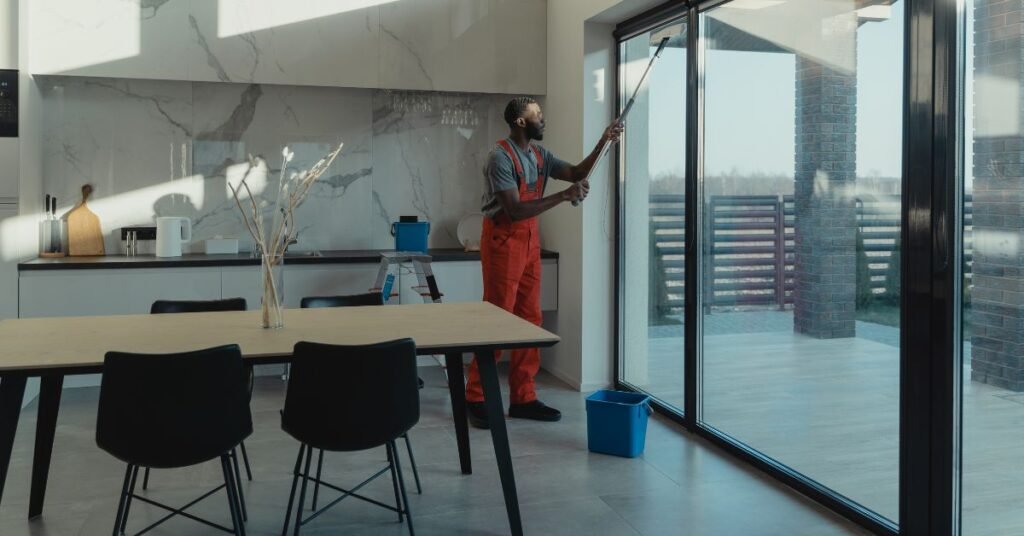
Restaurants and food-service spaces need practical cleaning schedules that match customer traffic and closing routines.
Commercial cleaning may support:
- Dining areas
- Entrance areas
- Customer-facing floors
- Tables and seating areas
- Restrooms
- High-touch areas
- Front-of-house cleaning
- Garbage and recycling
- Closing-time cleaning needs
- Schedule-sensitive cleaning
Restaurants require regular attention to dining areas, floors, washrooms, high-touch surfaces, and other customer-facing spaces. For this type of property, link to restaurant cleaning services in Toronto
Commercial Cleaning for Clinics, Wellness Spaces and Shared Facilities
Clinics, wellness spaces, salons, studios, and shared facilities often need clean waiting areas and visitor-facing spaces.
Cleaning may include:
- Waiting areas
- Reception
- Treatment or service rooms where applicable
- Floors
- Restrooms
- High-touch areas
- Appointment-based scheduling
- Visitor-facing cleaning
This type of cleaning should stay practical and space-specific. If a business needs specialized medical cleaning, it should confirm that separately before booking.
Commercial Cleaning for Landlords and Property Managers
Landlords and property managers often need cleaning for vacant units, showings, tenant turnover, and common areas.
Commercial cleaning can help with:
- Vacant commercial units
- Common areas
- Turnover cleaning
- Move-in preparation
- Showings
- Office buildings
- Retail plazas
- Property-managed workspaces
- Scheduled maintenance cleaning
Property managers should share access instructions, keys, alarm procedures, parking details, and priority areas before the visit. As a result, the cleaning team can complete the work with fewer delays.
Daily, Weekly, Biweekly, Monthly and After-Hours Cleaning
Cleaning frequency depends on traffic, business hours, floor type, staff count, customer visits, restrooms, and kitchen use.
Daily Commercial Cleaning
Daily cleaning works well for high-traffic businesses, restaurants, busy offices, retail stores, showrooms, and spaces with many visitors.
Weekly Commercial Cleaning
Weekly cleaning suits smaller offices, lower-traffic spaces, and businesses that need consistent maintenance without daily service.
Biweekly Commercial Cleaning
Biweekly cleaning may work for low-traffic spaces or businesses that handle simple daily tidying internally.
Monthly Commercial Deep Cleaning
Monthly deep cleaning can support detailed dusting, baseboards, floor attention, glass, kitchen detail cleaning, and seasonal refreshes.
After-Hours Commercial Cleaning
Many businesses prefer evening or weekend cleaning to reduce disruption. However, after-hours service needs clear access instructions, alarm codes, keys, parking details, and security rules.
What Commercial Cleaning Usually Does Not Include Without Add-Ons
Some tasks require extra time, special tools, or separate services.
These may include:
- Carpet extraction
- Upholstery cleaning
- Exterior windows
- High-rise window cleaning
- Inside appliances
- Inside cabinets
- Heavy clutter removal
- Large junk removal
- Post-construction debris
- Hazardous waste
- Pest-related cleaning
- Mould remediation
- Specialized medical cleaning
- Duct or HVAC cleaning
- Kitchen exhaust or grease trap cleaning
Before booking, ask what is included. This helps avoid confusion on cleaning day.
Commercial Cleaning After Renovation or Business Updates
Commercial spaces may need detailed cleaning after renovation, painting, flooring, repairs, showroom updates, or tenant turnover.
Dust can settle on floors, counters, shelves, displays, glass, baseboards, and shared surfaces. Packaging, floor residue, and contractor mess may also remain after the work ends.
For cleanup after business updates, TidyUp HandyCrew also offers post-construction cleaning services in Toronto. This can help prepare the space for staff, customers, tenants, or reopening.
How to Prepare Before Commercial Cleaners Arrive
Good preparation helps cleaners work efficiently and protects sensitive business information.
Before the cleaning visit:
- Share access instructions
- Confirm parking or loading details
- Mention alarm or lock procedures
- Identify restricted rooms
- Clear desks if workstation cleaning is needed
- Secure confidential documents
- List priority areas
- Share restroom count
- Identify floor types
- Confirm garbage and recycling rules
- Confirm after-hours contact person
- Mention supply restocking expectations
- Mention pets or building rules if relevant
Also, choose one contact person for questions. This helps the visit stay organized.
How Long Does Commercial Cleaning Take?
Commercial cleaning time depends on the size, layout, condition, and scope.
General estimates include:
- Small office or small business space: 1.5–3 hours
- Medium workplace or retail space: 3–5 hours
- Larger commercial space: 5–8+ hours
- High-traffic showroom or restaurant: varies by scope and frequency
- One-time commercial deep cleaning: varies by size and condition
Timing also depends on square footage, restroom count, staff count, customer traffic, floors, clutter, glass, kitchen use, cleaning frequency, and add-ons.
How Much Does Commercial Cleaning Cost in Toronto?
Commercial cleaning cost depends on the business type, cleaning frequency, and service scope.
Cost factors can include:
- Business type
- Square footage
- Cleaning frequency
- Number of restrooms
- Floor type
- Staff and visitor traffic
- After-hours access
- Kitchen or breakroom use
- Glass and display cleaning needs
- Supplies and restocking
- Add-ons
- Parking or building access
- Scope and schedule
- One-time vs recurring service
For related pricing guidance, read how much are office cleaning services. A custom quote gives a better estimate because every commercial space has different needs.
Common Commercial Cleaning Mistakes Businesses Make
Many businesses wait until the space looks visibly dirty before booking help. However, recurring cleaning usually works better than emergency cleaning.
Avoid these mistakes:
- Waiting until the space looks visibly dirty
- Not setting a cleaning schedule
- Ignoring high-touch areas
- Forgetting restrooms and kitchens
- Not clearing desks before workstation cleaning
- Not sharing access instructions
- Choosing frequency only by price
- Not planning after-hours access
- Forgetting floor and carpet care
- Not listing priority areas
- Expecting deep cleaning during a short maintenance visit
- Forgetting showroom or customer-facing surfaces
Instead, match the cleaning schedule to traffic, business type, and customer-facing areas.
Final Checklist Before Booking Commercial Cleaning
Before requesting a quote, prepare the main details.
Use this checklist:
- Identify business type
- Estimate square footage
- Count restrooms
- List priority areas
- Choose cleaning frequency
- Decide if after-hours cleaning is needed
- Identify floor types
- Mention kitchen or breakroom use
- Confirm access and parking
- Note add-ons
- Share building rules
- Prepare quote details
- Save contact information
These details help the cleaning team recommend the right plan.
Book Commercial Cleaning Services in Toronto
The right commercial cleaning service in Toronto should match your space, foot traffic, operating hours, and customer experience. Offices, showrooms, restaurants, retail stores, clinics, coworking spaces, property-managed units, and shared facilities all have different cleaning priorities and scheduling needs.
TidyUp HandyCrew helps Toronto business owners, landlords, property managers, office managers, showroom teams, restaurants, and retailers maintain clean, organized, and client-ready commercial spaces.
Ready to plan your cleaning schedule? Book commercial cleaning services in Toronto or request a customized commercial cleaning quote today.
You can also view TidyUp HandyCrew on Google to check our business profile, location details, and latest updates before booking.
FAQs About Commercial Cleaning in Toronto
1. What is included in commercial cleaning services in Toronto?
Commercial cleaning can include reception cleaning, floors, workstations, meeting rooms, restrooms, kitchens, trash removal, glass spot cleaning, high-touch surfaces, display areas, and scheduled maintenance cleaning.
2. How is commercial cleaning different from office cleaning?
Commercial cleaning covers many business spaces, including offices, showrooms, retail spaces, restaurants, clinics, coworking spaces, and property-managed units. Office cleaning focuses specifically on office workstations, meeting rooms, kitchens, washrooms, floors, and shared areas.
3. How often should a commercial space be cleaned?
Cleaning frequency depends on traffic, staff count, visitor volume, floor type, restrooms, kitchen use, and business hours. Busy spaces may need daily cleaning, while lower-traffic spaces may need weekly, biweekly, or monthly service.
4. Do commercial cleaners work after hours?
Many commercial cleaning plans can happen after hours to reduce disruption. Businesses should share access instructions, alarm details, keys, parking rules, and security procedures before the visit.
5. How much does commercial cleaning cost in Toronto?
Cost depends on business type, square footage, cleaning frequency, restroom count, floor type, traffic, after-hours access, kitchen use, glass needs, add-ons, parking, and service scope.
