

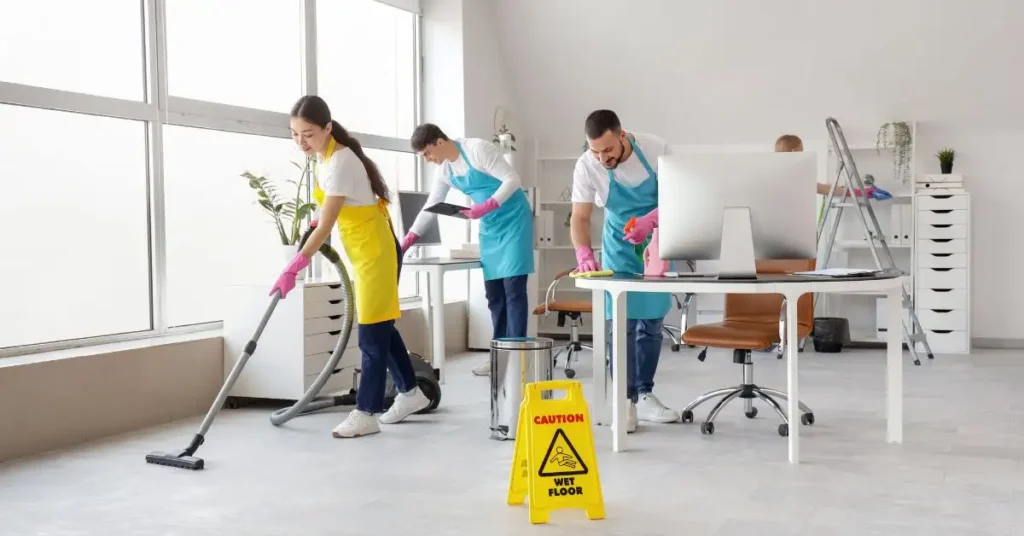
Offices and business spaces can look clean in the morning, but dust, fingerprints, crumbs, garbage, restroom mess, floor dirt, and high-touch residue can build up throughout the day. That is why office business cleaning Toronto companies book should follow a clear plan.
Toronto offices, small businesses, clinics, showrooms, retail spaces, coworking spaces, and professional workplaces all need different cleaning schedules. TidyUp HandyCrew offers office cleaning services in Toronto for businesses that want clean, organized, and client-ready spaces.
What Are Office and Business Cleaning Services?
Office and business cleaning services help keep workplaces clean, presentable, and ready for staff, clients, visitors, and customers.
A cleaning plan can include workstation cleaning, reception cleaning, meeting rooms, kitchens, restrooms, garbage and recycling, floors, glass, high-touch areas, and scheduled maintenance cleaning.
However, every workplace is different. The cleaning scope depends on business type, size, traffic, schedule, cleaning frequency, floor type, restroom count, and service priorities.
Quick Answer: What Is Included in an Office Cleaning Plan?
A basic office cleaning plan usually focuses on the areas people use every day.
It can include:
- Reception and waiting area cleaning
- Desk and workstation surface cleaning
- Meeting room cleaning
- Kitchen or breakroom cleaning
- Restroom cleaning
- Trash and recycling removal
- Floor vacuuming or mopping
- Glass and door spot cleaning
- High-touch surface cleaning
- Supply restocking if included
- After-hours cleaning if needed
- Periodic deep cleaning or add-ons
A good cleaning plan should match your business hours, foot traffic, and customer expectations.
Why Office Cleaning Matters for Toronto Businesses
Clean workplaces support first impressions, staff comfort, client confidence, and daily operations. When clients walk into a tidy reception area or meeting room, the business feels more organized.
Shared spaces also collect mess quickly. For example, desks, washrooms, kitchens, floors, and customer-facing areas need consistent care.
A clean office does not just look better. It also helps staff focus on work instead of dealing with overflowing bins, dusty surfaces, or messy breakrooms. For more detail, read this guide on why office cleaning is essential for Toronto businesses.
What Areas Should an Office Cleaning Plan Cover?
A strong office cleaning plan should cover the areas people see, touch, and use most often.
Reception and Waiting Areas
Reception areas create the first impression. They should look clean, organized, and welcoming.
Cleaning can include:
- Dust tables and visible surfaces
- Wipe front desk surfaces
- Clean door handles
- Spot clean interior glass
- Vacuum rugs or mats
- Mop hard floors
- Empty garbage
- Tidy visible clutter if agreed
Also, front entrances often collect dirt, salt, and debris during Toronto winters. As a result, entry floors may need extra attention.
Workstations and Desks
Workstations need careful cleaning because staff use them daily. However, cleaners should not move private documents unless the business allows it.
Cleaning can include:
- Wipe desk surfaces where cleared
- Dust monitor stands and shelves
- Clean chair arms where included
- Empty desk-side bins
- Wipe high-touch surfaces
- Avoid moving personal documents unless agreed
Before cleaning day, ask staff to clear desks. This helps cleaners work faster and protects sensitive papers.
Meeting Rooms and Boardrooms
Meeting rooms should stay ready for clients, staff meetings, interviews, and presentations.
Cleaning can include:
- Clean tables
- Wipe chairs
- Dust ledges and surfaces
- Clean switches and handles
- Empty garbage
- Vacuum or mop floors
- Check whiteboards or presentation areas if included
In addition, meeting rooms often collect fingerprints on glass, door handles, and shared surfaces.
Kitchens and Breakrooms
Office kitchens can get messy quickly. Coffee spills, crumbs, lunch containers, and overflowing bins can make the space look neglected.
Cleaning can include:
- Wipe counters
- Clean sink and faucet
- Wipe microwave exterior
- Clean tables
- Wipe appliance handles
- Empty garbage and recycling
- Sweep and mop floors
- Spot clean cabinet fronts
Inside fridge cleaning, inside microwave cleaning, or inside cabinet cleaning may require add-on time. Therefore, mention those tasks before booking.
Restrooms
Restrooms need consistent cleaning because staff, clients, and visitors use them throughout the day.
Cleaning can include:
- Clean toilets and sinks
- Wipe mirrors
- Clean faucets and handles
- Refill supplies if included
- Empty garbage
- Clean partitions where included
- Mop floors
- Clean high-touch surfaces
If your business has high restroom traffic, daily or more frequent service may work better.
Floors, Carpets, and Entryways
Floors show traffic quickly, especially near entrances, hallways, kitchens, and reception areas.
Cleaning can include:
- Vacuum carpeted areas
- Mop hard floors
- Clean entry mats
- Remove visible dirt, salt, and debris
- Spot clean high-traffic areas
- Note carpet extraction or stain treatment as a separate service
Regular floor care helps your workplace look more polished. It also keeps visible dirt from spreading to other rooms.
Glass, Doors, and High-Touch Areas
High-touch areas need regular attention because many people use them throughout the day.
Focus on:
- Door handles
- Light switches
- Shared counters
- Reception glass
- Interior door glass
- Elevator buttons where applicable
- Railings
- Shared appliance handles
These small details can make the entire workplace feel cleaner.
Daily, Weekly, Biweekly, Monthly, or After-Hours Cleaning?
Cleaning frequency depends on staff count, visitor traffic, business type, restroom use, floor type, and customer-facing areas.
Daily Office Cleaning
Daily cleaning works best for busy offices, clinics, showrooms, retail spaces, high-traffic restrooms, and businesses that welcome clients every day.
It helps control garbage, floors, restrooms, kitchens, and shared surfaces before mess builds up.
Weekly or Biweekly Office Cleaning
Weekly or biweekly cleaning can work for smaller offices, lower-traffic workplaces, hybrid teams, and businesses that handle light upkeep between visits.
However, kitchens and restrooms may still need more frequent care if many people use them.
Monthly Office Deep Cleaning
Monthly office deep cleaning works well for detailed maintenance tasks. It may include deeper dusting, floor attention, kitchen detail cleaning, interior glass, baseboards, and seasonal cleaning.
This helps support your regular cleaning schedule.
After-Hours Office Cleaning
Many businesses prefer evening or weekend cleaning. After-hours office cleaning reduces disruption and helps staff return to a clean workplace the next day.
Before after-hours service, share access instructions, alarm codes, keys, parking details, lock-up steps, and emergency contact information.
Office Cleaning vs Commercial Cleaning vs Deep Cleaning
Office cleaning focuses on workstations, meeting rooms, restrooms, kitchens, floors, reception areas, and common areas.
Commercial cleaning covers broader business properties. It may include offices, retail spaces, showrooms, clinics, common areas, and other commercial environments. For broader workplace support, explore commercial cleaning services in Toronto.
Office deep cleaning targets buildup, detailed dust, high-traffic areas, baseboards, carpets, kitchens, restrooms, and areas that routine cleaning may not cover every visit.
Cleaning Plans for Different Business Types
Different businesses need different cleaning plans. A small office does not need the same scope as a showroom or clinic-style space.
Small Offices and Professional Offices
Small offices often need desk cleaning, meeting room cleaning, washroom cleaning, kitchenette care, floor cleaning, garbage removal, and client-facing area upkeep.
Also, professional offices should protect documents and private materials. Clear desk policies help cleaners work safely and efficiently.
Retail Spaces and Showrooms
Retail spaces and showrooms need clean display surfaces, glass, floors, fitting areas where applicable, high-touch counters, and customer-facing areas.
Presentation matters in these spaces. Therefore, cleaning should support the brand experience.
Clinics and Wellness Spaces
Clinics and wellness spaces may need clean waiting rooms, reception areas, treatment rooms where applicable, restrooms, high-touch surfaces, and careful scheduling.
Avoid assuming specialized medical cleaning unless the service scope clearly includes it. Instead, focus on practical workplace cleaning and visible cleanliness.
Coworking Spaces
Coworking spaces have shared desks, kitchens, washrooms, meeting rooms, garbage areas, and high-touch surfaces.
Because many people use the same areas, flexible cleaning schedules can help keep the space ready throughout the week.
Landlords and Property Managers
Landlords and property managers may need cleaning for common areas, vacant units, move-in preparation, offices, showings, and scheduled maintenance.
A clear cleaning plan helps keep properties ready for tenants, visitors, and inspections.
What Office Cleaning Usually Does Not Include Without Add-Ons
Some tasks may need extra time, special tools, or separate service.
These can include:
- Carpet extraction
- Upholstery cleaning
- Exterior windows
- High-rise window cleaning
- Inside appliances
- Inside cabinets
- Heavy clutter removal
- Large junk removal
- Post-construction debris
- Hazardous waste
- Pest-related cleaning
- Mould remediation
- Specialized medical cleaning
- Duct or HVAC cleaning
Before booking, explain your workplace needs clearly. That helps the cleaning team recommend the right scope.
How to Prepare Before Office Cleaners Arrive
Preparation helps cleaners work efficiently and protects sensitive business information.
Before the visit:
- Share access instructions
- Confirm parking or loading details
- Clear desks if workstation cleaning is needed
- Secure confidential documents
- Mention alarm or lock procedures
- List priority areas
- Identify restricted rooms
- Confirm supply restocking expectations
- Share restroom count and floor types
- Mention pets or building rules if relevant
- Confirm after-hours contact person
Also, create one contact person for cleaning questions. This reduces confusion and keeps communication simple.
How Long Does Office Cleaning Take?
Office cleaning time depends on square footage, restrooms, staff count, floors, clutter, glass, kitchen use, cleaning frequency, and add-ons.
General estimates include:
- Small office: 1.5–3 hours
- Medium office: 3–5 hours
- Larger office or multi-room workplace: 5–8+ hours
- High-traffic business or showroom: varies by scope and frequency
A business cleaned daily may take less time per visit than one cleaned monthly. Also, deep cleaning or floor care can add time.
How Much Do Office Cleaning Services Cost in Toronto?
Office cleaning cost depends on the size of the space, cleaning frequency, number of restrooms, floor type, staff traffic, visitor traffic, and service scope.
Other cost factors include:
- Office size
- Cleaning frequency
- Number of restrooms
- Floor type
- Staff and visitor traffic
- After-hours access
- Kitchen or breakroom use
- Glass and high-touch cleaning needs
- Supplies and restocking
- Add-ons
- Parking or building access
- Scope and schedule
For more pricing guidance, read this guide on how much are office cleaning services. It can help you understand which details affect your quote.
Common Office Cleaning Mistakes Businesses Make
Office cleaning works best when the plan matches the workplace.
Avoid these common mistakes:
- Waiting until the office looks visibly dirty
- Not setting a cleaning schedule
- Ignoring high-touch areas
- Forgetting kitchens and restrooms
- Not clearing desks before cleaning
- Not sharing access instructions
- Choosing frequency only by price
- Not planning after-hours access
- Forgetting floor and carpet care
- Not listing priority areas
- Expecting deep cleaning during a short maintenance visit
Instead, choose a realistic schedule and update the cleaning plan as your business changes.
Final Checklist Before Booking Office or Business Cleaning
Before requesting a quote, prepare the key details.
Use this checklist:
- Identify business type
- Estimate square footage
- Count restrooms
- List priority areas
- Choose cleaning frequency
- Decide if after-hours cleaning is needed
- Identify floor types
- Mention kitchen or breakroom use
- Confirm access and parking
- Note add-ons
- Prepare quote details
- Save contact information
These details help the cleaning team understand your workplace and recommend a practical plan.
Book Office/Business Cleaning Services in Toronto
Office business cleaning Toronto companies book should keep workplaces clean, organized, and client-ready without disrupting daily operations.
TidyUp HandyCrew helps Toronto offices, small businesses, showrooms, clinics, property managers, and business owners maintain cleaner spaces with practical cleaning plans. Whether you need recurring office cleaning, after-hours cleaning, restroom cleaning, floor care, or a custom business cleaning plan, our team can help.
Ready to create a cleaner workplace? Book office cleaning services or request an office cleaning quote today.
FAQs About Office and Business Cleaning in Toronto
1. What is included in office cleaning services in Toronto?
Office cleaning services can include reception cleaning, workstation surfaces, meeting rooms, kitchens, restrooms, garbage and recycling, vacuuming, mopping, glass spot cleaning, and high-touch surface cleaning.
2. How often should an office be cleaned?
Busy offices, clinics, retail spaces, and showrooms may need daily cleaning. Smaller or lower-traffic offices may choose weekly or biweekly service. Monthly deep cleaning can support detailed maintenance.
3. Do office cleaners work after hours?
Yes, many offices prefer evening or weekend cleaning to reduce disruption. For after-hours cleaning, share access instructions, alarm details, lock-up steps, parking information, and an emergency contact.
4. How much do office cleaning services cost in Toronto?
Cost depends on office size, cleaning frequency, restroom count, floor type, staff and visitor traffic, after-hours access, supply restocking, add-ons, and service scope.
5. What is the difference between office cleaning and commercial cleaning?
Office cleaning focuses on workstations, meeting rooms, kitchens, restrooms, floors, and office common areas. Commercial cleaning covers broader business spaces, including offices, retail spaces, showrooms, clinics, and other commercial properties.
