


Interior painting can refresh a home, condo, apartment, rental unit, or renovated room. However, the final result depends on wall condition, surface preparation, colour choice, paint finish, and proper application. That is why interior painting Toronto homeowners and property owners book should focus on more than colour alone.
Toronto condos, apartments, older homes, family homes, and rental units often need careful prep before painting starts. TidyUp HandyCrew offers house painting services in Toronto for interior walls, ceilings, trim, doors, touch-ups, and painting after renovation.
What Is Interior Painting?
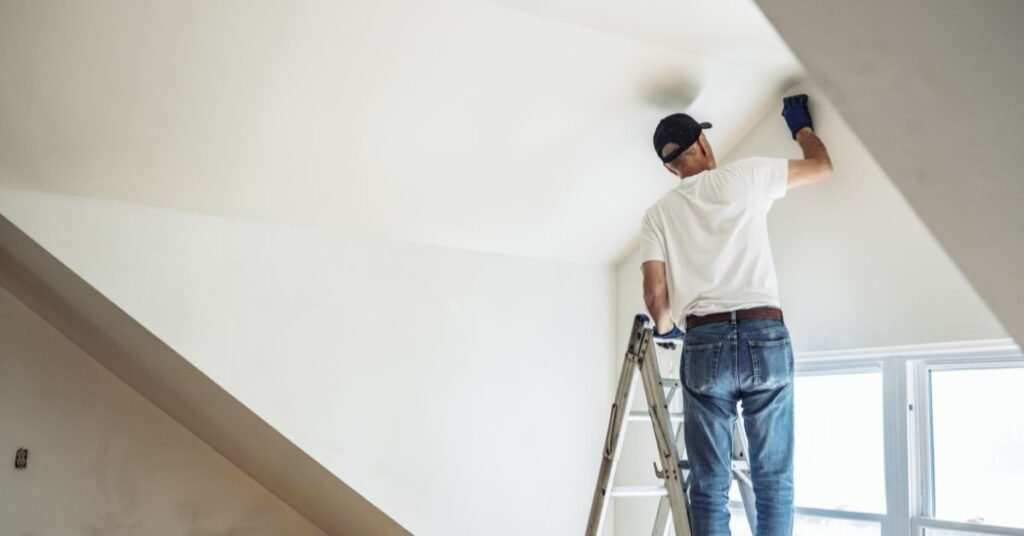
Interior painting focuses on indoor surfaces such as walls, ceilings, trim, doors, baseboards, accent walls, cabinets where applicable, and touch-up areas.
It can be a small room refresh or a full interior repaint. For example, you may paint one bedroom, update a condo before move-in, refresh a rental unit, or finish rooms after renovation work.
The scope depends on room size, wall condition, number of coats, paint finish, repairs, access, furniture, and timeline. Therefore, a good painting plan should start with a walkthrough and clear project details.
Quick Answer: When Should You Book Interior Painting?
You should book interior painting when your walls, trim, or rooms no longer look fresh, clean, or updated.
Interior painting may make sense when:
- Walls look scuffed, faded, or stained
- You are moving into a new home
- You are preparing a rental unit
- You finished renovation work
- You want to refresh a condo or apartment
- Trim, doors, or baseboards look worn
- You are preparing a home for sale
- DIY painting feels too time-consuming
- You need better surface preparation
- You want a cleaner professional finish
A fresh interior paint job can make the space feel brighter, cleaner, and more ready to use.
What Is Included in Interior Painting Services?
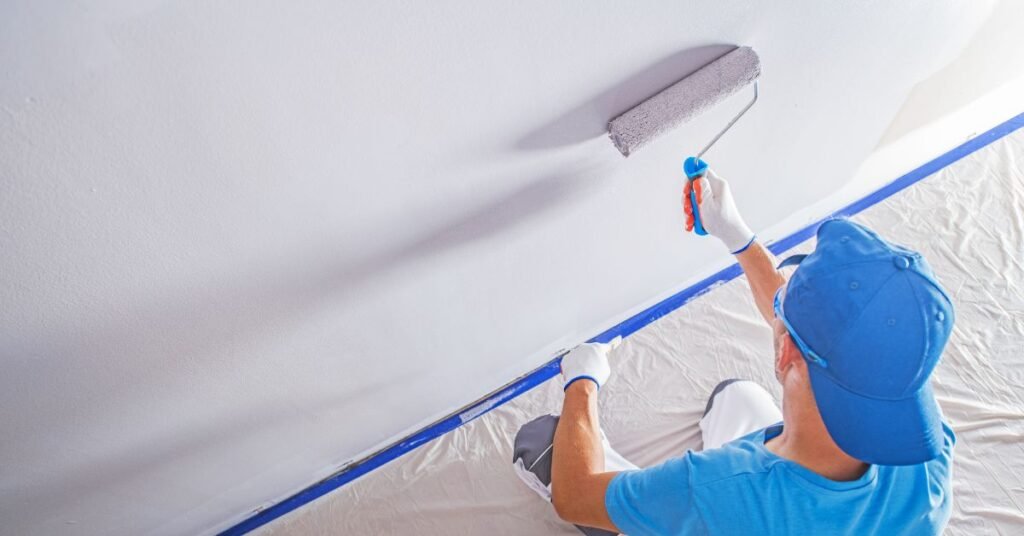
Interior painting services usually start with preparation. Paint looks better when the surface is clean, smooth, and ready.
A typical interior painting service may include:
- Room walkthrough
- Surface inspection
- Furniture protection
- Floor protection
- Small hole patching where included
- Sanding rough spots
- Cleaning dusty or dirty surfaces where needed
- Taping edges
- Priming where needed
- Applying paint coats
- Painting trim, doors, or ceilings where included
- Final touch-ups
- Cleanup
The exact service scope can change based on your home, room condition, and project goals.
Room-by-Room Interior Painting Guide
Different rooms need different planning. Some rooms need washable finishes, while others need more careful trim, ceiling, or wall preparation.
Living Room Painting
Living rooms are high-visibility spaces. They often show scuffs, furniture marks, nail holes, and uneven wall colour.
Before painting a living room, think about furniture protection, accent walls, natural light, and colour choice. A neutral colour can make the room feel open, while a feature wall can add depth without repainting every surface.
Also, living rooms often connect to hallways and dining areas. Therefore, colour flow matters.
Bedroom Painting
Bedroom painting usually focuses on comfort, calm colour choices, and clean finishes. Walls may need patching from shelves, pictures, mirrors, or furniture marks.
Before painting, remove wall décor, move small furniture, and decide whether closets, trim, or doors need attention. In addition, feature walls can work well in bedrooms when you want a simple update.
Kitchen Painting
Kitchens need special care because walls can collect grease, steam, fingerprints, and food residue.
Before painting kitchen walls, surfaces may need cleaning near backsplashes, cabinets, counters, and appliance areas. Washable finishes often make sense in busy kitchens because walls may need frequent wiping.
Also, cabinet-adjacent walls and trim need careful cutting for a clean finish.
Bathroom Painting
Bathrooms are moisture-prone spaces. As a result, paint finish, ventilation, and surface preparation matter.
Bathroom painting may include walls, ceilings, trim, doors, and small touch-up areas. Before painting, surfaces should be clean and dry. Also, old peeling paint or stains may need primer.
A bathroom paint job can make the room feel cleaner, especially after updates to fixtures, vanity areas, or tile.
Hallways and Stairways
Hallways and stairways collect fingerprints, scuffs, dents, and marks from daily traffic. These areas often need more preparation than people expect.
Painting stairways can also involve height, railings, trim, corners, and hard-to-reach areas. Therefore, professional painters can be helpful when access feels difficult or risky.
Ceilings, Trim, Doors, and Baseboards
Ceilings, trim, doors, and baseboards can change the final look of a room. Even freshly painted walls may look unfinished if trim looks worn.
Trim and doors may need sanding, priming, and extra attention. Baseboards can collect dust, dents, and marks, while doors often show fingerprints near handles.
Why Surface Preparation Matters for Interior Painting
Surface preparation is one of the most important parts of interior painting. Paint looks better when surfaces are clean, dry, smooth, and ready.
Preparation may include:
- Cleaning dusty walls
- Removing cobwebs
- Filling small holes
- Sanding rough patches
- Repairing minor dents
- Priming stains or bare spots
- Protecting floors and furniture
- Checking wall condition before painting
Preparation often takes more time than people expect. However, it helps create a smoother finish and cleaner lines. For example, painting over dust can create texture. Also, painting over stains without primer can lead to uneven coverage.
Choosing Interior Paint Colours and Finishes
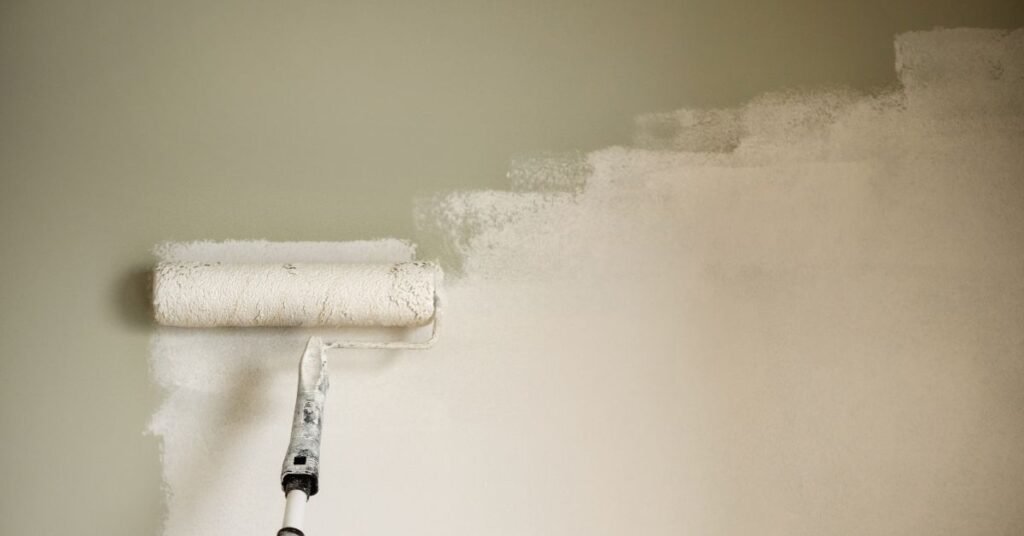
Colour and finish affect how a room looks and feels. They also affect how easy the walls are to maintain.
Practical options include:
- Neutral colours for resale or rental units
- Warm colours for living spaces
- Calmer tones for bedrooms
- Brighter colours for small rooms
- Accent walls for visual interest
- Eggshell or satin finishes for many living areas
- Semi-gloss finishes for trim and doors
- Washable finishes for busy homes
- Sample testing before painting
Avoid choosing a colour from a screen only. Instead, test samples in the room because lighting can change how paint looks.
Interior Painting for Condos and Apartments
Condos and apartments need careful planning because space is limited. Furniture may need to move in stages, and building rules may affect access.
Before painting a condo or apartment, confirm:
- Condo rules
- Elevator or loading access
- Parking details
- Buzzer or concierge instructions
- Limited workspace
- Furniture movement
- Move-in or move-out timing
- Landlord approval for renters
- Neutral colours for rental units
Smaller rooms can benefit from lighter colours. However, proper prep still matters because compact spaces often show wall imperfections quickly.
Interior Painting for Homeowners and Families
Family homes often need painting because daily life leaves marks. Kids’ rooms, pet areas, high-traffic hallways, kitchens, living rooms, guest rooms, stairways, trim, and doors all show wear over time.
Interior painting can help before holidays, guests, family events, or resale. It can also help reset rooms that feel dated or heavily used.
For busy families, professional painters can reduce disruption. Instead of spending several weekends moving furniture, taping edges, painting, and cleaning up, you can finish the project with a clearer plan.
Interior Painting for Landlords and Property Managers
Landlords and property managers often need interior painting between tenants. A clean, neutral paint refresh can help a unit look more presentable for showings and move-ins.
Common rental painting needs include:
- Rental turnover
- Neutral paint colours
- Quick refreshes between tenants
- Repairing wall scuffs
- Touch-ups before showings
- Painting high-use areas
- Durable finishes
- Coordinating painting before cleaning or move-in
A planned painting schedule can also help reduce delays between tenants.
Painting After Renovation
Renovation can leave drywall patches, dust, new trim, unfinished surfaces, and touch-up needs. As a result, interior painting often becomes one of the final steps in making a renovated space feel complete.
Painting after renovation may include:
- Painting after drywall repair
- Painting after basement renovation
- Painting after kitchen renovation
- Painting after bathroom renovation
- Painting after flooring work
- Painting new trim and doors
- Touch-ups after contractors finish
If you are planning a larger project, TidyUp HandyCrew also provides renovation services in Toronto. After renovation work and cleanup, the next step is deciding how to approach the painting itself.
Renovation can also leave dust on floors, trim, ledges, and fixtures. For cleanup support, consider post-renovation cleaning services in Toronto before or after painting.
DIY Interior Painting vs Hiring Professional Painters
DIY interior painting can work for simple rooms. However, it takes time, tools, patience, and preparation.
DIY may work when:
- The room is small
- The colour change is simple
- Walls are smooth
- You have enough time
- You own basic tools
- The project is low risk
Professional painters make more sense when:
- You need multiple rooms painted
- The home has high ceilings
- Stairways are involved
- Walls need repair
- The deadline is tight
- A rental turnover is coming
- You are preparing a home for sale
- Trim, doors, or ceilings need painting
- You want cleaner lines and less mess
Professional painters also help with planning, prep, protection, coats, touch-ups, and cleanup.
What May Require Extra Prep or Add-Ons?
Some interior painting projects need more than standard wall painting.
Extra prep or add-ons may include:
- Large drywall repair
- Water stains
- Smoke stains
- Heavy grease
- Wallpaper removal
- Popcorn ceiling work
- High ceilings
- Damaged trim
- Cabinet refinishing
- Multiple colours
- Colour matching
- Furniture moving
- Post-renovation dust cleaning
Before booking, share photos and explain the wall condition. This helps the team understand the full scope.
How to Prepare Before Interior Painters Arrive
Good preparation helps painters work faster and keeps the project organized.
Before painters arrive:
- Choose colours early
- Confirm paint finish
- Move small items
- Clear wall décor
- Remove fragile items
- Secure valuables
- Share access instructions
- Mention pets
- Confirm parking or elevator details
- Ask about furniture moving
- Ask about drying time
- Confirm room priority
- Confirm whether wall repairs are included
You do not need to do the painters’ work first. However, clearing the space helps protect your belongings and gives painters better access.
How Long Does Interior Painting Take?
Interior painting time depends on room size, prep work, drying time, number of coats, paint colours, ceilings, trim, doors, furniture, access, and number of painters.
General estimates include:
- Small room: 1 day
- Bedroom or living room: 1–2 days
- Condo or apartment refresh: 1–3 days
- Several rooms: 2–5 days
- Full interior repaint: 4–7+ days
Extra wall repair, multiple colours, trim, doors, high ceilings, and furniture movement can add time.
How Much Does Interior Painting Cost in Toronto?
Interior painting cost depends on room size, number of rooms, wall condition, ceiling height, surface preparation, wall repairs, number of coats, paint quality, trim, doors, ceilings, colour changes, furniture movement, access, parking, timeline, and cleanup needs.
For more detail, read this guide on cost to paint a house interior. You can also compare broader pricing factors in this guide on house painting services cost in Toronto.
Planning a larger repaint? This guide on how much does it cost to paint a house can help you understand full-home painting cost factors.
Common Interior Painting Mistakes People Make
Interior painting looks simple, but mistakes can affect the final result.
Avoid these common issues:
- Skipping surface preparation
- Painting dirty or dusty walls
- Not patching small holes first
- Choosing the wrong finish
- Not testing colours
- Forgetting trim and doors
- Rushing drying time
- Using low-quality tools
- Not protecting floors and furniture
- Painting over stains without primer
- Underestimating how long prep takes
Instead, plan the project carefully and make sure each surface is ready before paint goes on.
Final Checklist Before Booking Interior Painting
Before booking, prepare your project details.
Use this checklist:
- Choose the rooms to paint
- Decide if walls, ceilings, trim, or doors are included
- List repairs or prep needs
- Choose colours or request guidance
- Confirm paint finish
- Share access and parking details
- Mention pets
- Ask about timeline
- Ask about cleanup
- Prepare quote details
- Save contact information
These details help painters recommend the right plan and timeline.
Book Interior Painting in Toronto
Interior painting Toronto homeowners, condo owners, renters, landlords, property managers, families, and busy professionals book can make a space feel cleaner, brighter, and more updated.
TidyUp HandyCrew helps refresh interiors with professional painting services for walls, ceilings, trim, doors, rental units, condos, apartments, family homes, and renovated rooms.
Ready to refresh your indoor space? Book interior painting services or request an interior painting quote today.
FAQs About Interior Painting in Toronto
1. What is included in interior painting services in Toronto?
Interior painting can include room walkthrough, surface inspection, furniture protection, floor protection, small patching where included, sanding, priming, painting walls, ceilings, trim, doors, touch-ups, and cleanup.
2. How do I prepare a room before interior painters arrive?
Choose colours early, clear wall décor, move small items, remove fragile items, secure valuables, mention pets, and confirm access, parking, elevator details, and room priorities.
3. How long does interior painting take?
A small room may take one day. A bedroom or living room may take 1–2 days. A condo or apartment refresh may take 1–3 days. Several rooms or a full interior repaint can take longer.
4. What paint finish should I choose for interior walls?
Many homes use eggshell or satin for common walls because they balance appearance and wipeability. Semi-gloss often works well for trim and doors. Matte finishes can work in lower-traffic areas.
5. How much does interior painting cost in Toronto?
Cost depends on room size, number of rooms, wall condition, surface preparation, wall repairs, paint quality, trim, doors, ceilings, colour changes, furniture movement, access, and cleanup needs.
