

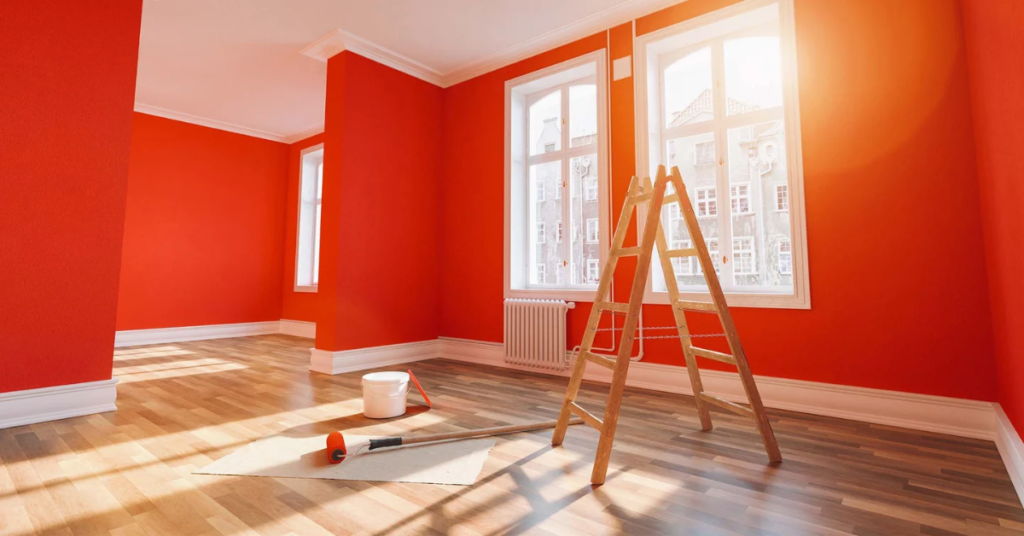
How Much Does It Cost To Paint A House? On average, the cost of painting a house in Toronto ranges from $1,500 to $4,000, depending on the size, type of paint, and specific services required. House painting involves both materials and labor, with professional painters generally charging by the square footage or the hour.
When asking, How Much Does It Cost To Paint A House, it’s important to understand that painting costs vary based on several factors such as the size of the home, surface type (interior vs. exterior), and paint quality. For instance, exterior painting tends to cost more due to the additional prep work required for surfaces like siding or brick. Additionally, Toronto’s climate plays a role in how often your home needs fresh paint, especially after harsh winters or humid summers.
At Tidyup Handycrew, we specialize in professional home painting services, offering transparent pricing and a comprehensive breakdown of costs for all home sizes. In this article, we’ll explore the key factors influencing the cost of painting your home and provide you with useful tips to estimate your painting project accurately. Whether you’re looking to paint the inside of your home or revamp your exterior, we’ve got you covered.
Factors That Influence the Cost of Painting a House
When estimating the cost of painting a house, there are several important factors to consider that will impact the final price. These include the size of the home, the type of paint used, and the labor required. Understanding these variables will help homeowners make informed decisions and ensure they get the best value for their investment.
Size of the House and Square Footage
The size of the house and the square footage of the areas to be painted are the most significant cost factors. Larger homes with more wall space will require more paint and more time to cover, resulting in higher costs. For example, an interior painting project for a 3-bedroom home will be less expensive than painting a 5-bedroom home or a multi-story property due to the increased surface area and additional materials required.
Type of Paint and Finishes
The type of paint used, whether standard or premium, and the finish selected, such as matte, satin, or gloss, can significantly influence How Much Does It Cost To Paint A House. Premium paints typically cost more upfront but offer better coverage, enhanced durability, and a longer lifespan, making them a worthwhile investment for many homeowners. Gloss and high-gloss finishes are generally more expensive because they require more preparation and precise application to achieve a smooth, polished look.
Labor Costs and Preparation
Labor costs make up a significant portion of painting expenses. This includes time spent on preparation work, such as sanding, priming, and patching holes, as well as the complexity of the job (e.g., high ceilings or areas that require multiple coats). More intricate work, such as detailed trim or exterior painting on a multi-story house, can increase labor costs, as it requires more effort and precision.
Cost for Different Types of Painting Projects
When planning a painting project, it’s essential to understand the costs involved for different areas and types of work. The following breakdown will help you gauge what you might pay depending on whether you’re painting interior walls, the exterior of your house, or adding specialized touches like trim and doors.
Interior House Painting Costs
The cost for interior painting depends on the size of the rooms and the number of surfaces that need painting.
- Living room or dining room: $300–$800
- Kitchen or bathroom: $200–$600
- Full interior (3-bedroom house): $1,500–$3,000
Costs vary based on the number of coats needed, surface prep, and the quality of paint chosen.
Exterior House Painting Costs
The cost for exterior painting is typically higher due to the additional prep work required and the greater surface area.
- Small exterior (1-2 story house): $1,500–$3,500
- Larger homes or multi-story properties: $3,500–$6,000+
Factors like siding material (vinyl, wood, brick), height of the house, and scaffolding needs influence the overall cost.
Additional Costs for Specialized Painting (Trim, Doors, etc.)
Trim, doors, and windows require more detailed work, adding to the overall cost.
- Trim and molding: $2–$4 per linear foot
- Doors (interior/exterior): $100–$400 each
- Windows: $50–$150 each
These costs are typically higher because of the precision required and the extra effort needed for clean lines and finishes.
DIY vs. Professional House Painting: Cost and Time Comparison
When deciding between DIY and professional house painting, understanding the cost and time involved is key to making an informed decision. This section provides a detailed comparison of the two options to help you decide which is best for your project.
DIY Painting Costs (Materials and Equipment)
DIY painting typically involves lower upfront costs but can be more time-consuming.
- Materials: $200–$500 for paint, brushes, rollers, drop cloths, and ladders
- Time: 1–3 days for smaller rooms; 3–5 days for a full interior
While DIY can save on labor costs, the time spent and potential for mistakes can increase the overall cost.
Professional Painting Costs (Labor and Services)
Hiring professional painters can be more expensive but brings expertise and efficiency.
- Labor costs: $30–$50 per hour
- Materials and services: $1,500–$5,000 for a full house, depending on size and condition
Professional services are faster, as they have specialized equipment and experienced teams, providing high-quality finishes with minimal hassle.
Which Is More Cost-Effective: DIY vs. Professional?
In terms of cost-effectiveness, DIY may seem cheaper at first, but you should factor in the hidden costs.
- DIY: Potential for mistakes, longer timelines, and redoing work.
- Professional: Higher initial cost but provides time savings, quality work, and avoids errors.
For larger projects, hiring a professional might be the most cost-effective option in the long run, saving you time and frustration.
How to Estimate Your Own House Painting Costs
Estimating the cost of painting your house can seem challenging, but by following a few steps, you can get a good idea of what to expect. Understanding the size of your home, the surfaces you want to paint, and the materials used will help you create a reliable budget for the project.
Using Online Calculators for Painting Estimates
Many paint suppliers and contractors offer online cost calculators that can give you an initial estimate based on your home’s size and specific requirements. If you’re researching How Much Does It Cost To Paint A House, these calculators can be a helpful starting point. They usually ask for details such as square footage, room dimensions, and the type of paint you plan to use. Based on this information, they provide a ballpark estimate of the overall cost, helping you better understand how much it costs to paint a house before committing to a contractor or purchasing supplies.
Requesting a Quote from a Professional Painter
For a more accurate estimate, it’s essential to request a quote from a professional painter. When contacting local painters in Toronto, provide detailed information such as:
- Square footage of the area to be painted
- Type of surfaces (interior walls, trim, exterior siding, etc.)
- Paint preferences and finishes
- Any prep work needed (e.g., sanding, priming)
Ask key questions about the materials they recommend, the timeframe for completion, and if there are any hidden costs.
Regional Pricing Considerations for House Painting in Toronto
In Toronto, painting costs can vary significantly depending on factors like the location, season, and the type of property being painted. Understanding these regional variables will help you get a more accurate estimate and manage your expectations for the project.
Toronto-Specific Pricing Factors
Toronto’s urban density and diverse housing types mean that painting costs will differ between areas. For example, downtown condos typically have higher labor costs due to limited access and the need for scaffolding or lifts. On the other hand, suburban homes often have larger surfaces to cover, which may lower the cost per square foot but increase the overall price due to the greater area being painted.
Seasonal Impact on Painting Costs
The weather in Toronto significantly affects the availability of painters and the pricing of painting services. During winter, cold temperatures and snow often prevent exterior painting, leading to higher demand during the summer months. As a result, painting costs may be higher in the summer due to increased competition and limited availability.
Final Thoughts
Understanding the costs involved in house painting is essential for homeowners who want to plan their projects effectively. When evaluating How Much Does It Cost To Paint A House, factors such as home size, surface type, paint quality, preparation work, and labor costs all play an important role in determining the final price. Whether you decide to complete the project yourself or hire a professional painting contractor, understanding these variables can help you make informed decisions, avoid unexpected expenses, and stay within your budget while achieving a high-quality finish.
At Tidyup Handycrew, we specialize in providing customized painting estimates that align with your specific needs. Our experienced team ensures high-quality work, attention to detail, and transparent pricing for all types of painting projects.
To get started on your home painting project, contact us today for a personalized estimate or visit us to schedule a consultation. Let us help bring your vision to life!
