

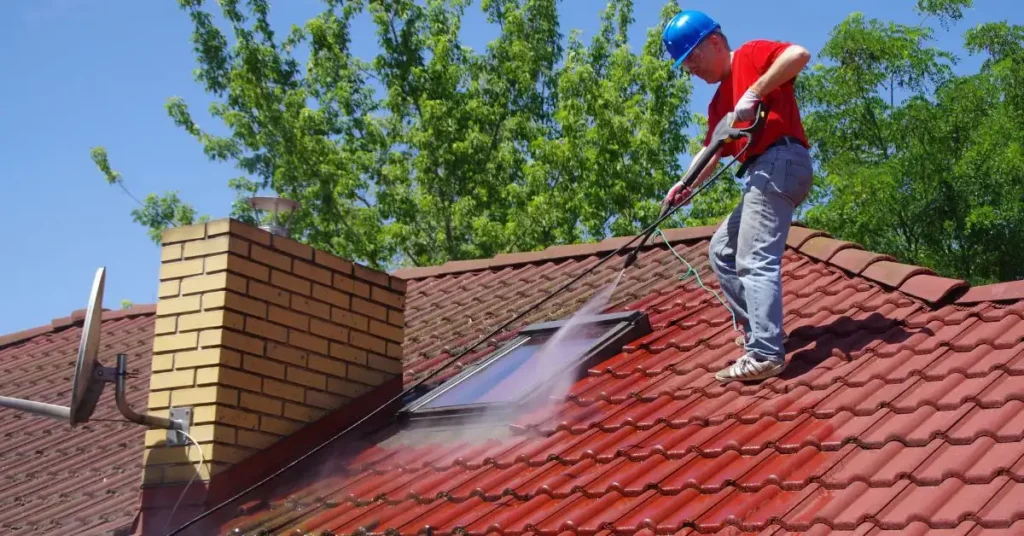
Most exterior damage starts with one wrong cleaning choice. Is soft washing better than pressure washing? Soft washing works better for delicate home surfaces such as siding, decks, fences, painted wood, stucco, and older brick because it uses low pressure and cleaning solutions to remove dirt, algae, mould, and mildew. Pressure washing works better for hard surfaces such as concrete, stone, and some driveways where stronger water force can clean safely.
Toronto homes face winter salt, damp shade, algae growth, and older exterior materials, so the right method matters more than many homeowners think.
TidyUp HandyCrew helps Toronto and GTA homeowners choose the safer exterior cleaning method through our Soft Pressure Wash Cleaning Toronto service, designed for siding, patios, decks, fences, walkways, and outdoor surfaces.
In this blog, we’ll explain the difference between soft washing and pressure washing, show which method works best for common Toronto home surfaces, and help you choose the safest option for your property.
Why This Question Matters for Toronto Homes
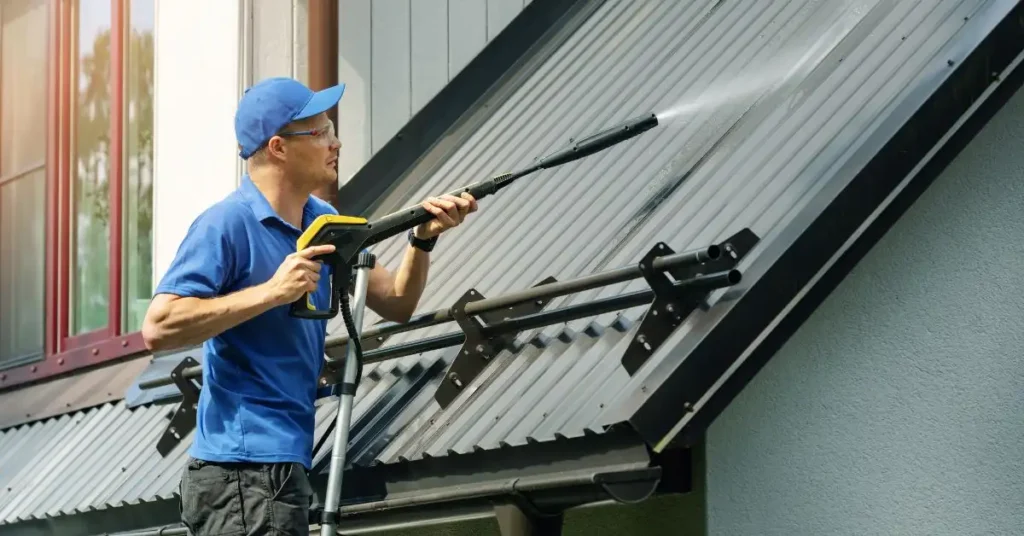
Toronto properties deal with a mix of weather, materials, and neighbourhood conditions that make exterior cleaning more complicated than it looks. A newer concrete driveway in Scarborough can handle a very different cleaning method than painted wood siding on an older home near East York.
People often ask if soft washing better than pressure washing because both methods promise a cleaner exterior. Both can remove dirt. Both can improve curb appeal. But they do not work the same way, and they should not touch the same surfaces without a clear plan.
Pressure washing uses strong water force. That force can blast away grime from hard surfaces, but it can also strip paint, damage wood fibres, loosen old mortar, crack fragile surfaces, and force water behind siding.
Soft washing takes a gentler route. It uses low-pressure water and cleaning agents to loosen organic growth before rinsing the surface. The Spruce describes soft washing as a low-pressure exterior cleaning method that targets mould, mildew, moss, and algae without relying on harsh force.
And here is the thing. A dirty surface usually looks like the problem, but the wrong cleaning method can become the bigger problem.
Is Soft Washing Better Than Pressure Washing?
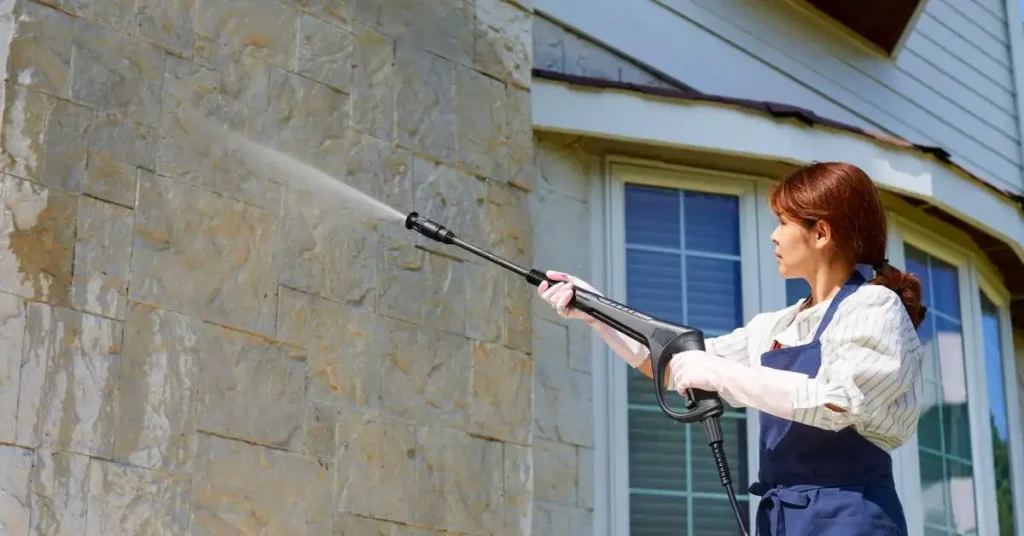
Soft washing is better than pressure washing for delicate exterior surfaces, organic growth, and older materials. Pressure washing is better for durable hard surfaces such as concrete, stone, and some driveways. The right choice depends on the surface, the type of buildup, and the risk of damage.
That short answer solves most of the confusion.
If your siding has algae, your deck looks weathered, or your fence has mildew in the shade, soft washing usually makes more sense. It treats the growth instead of just blasting the surface. For many Toronto homes, that lower-pressure approach gives a cleaner result with less risk.
But pressure washing still has its place. Concrete driveways, stone walkways, some patios, and garage floors often need stronger water force to remove stuck-on grime. Use the right pressure, the right nozzle, and the right distance. Skip that part and you can leave marks behind.
When people ask if soft washing better than pressure washing, the honest answer is this: soft washing is better for the house, pressure washing is better for certain hard surfaces.
When Soft Washing Is the Better Choice
Soft washing works best on surfaces that can crack, dent, peel, absorb water, or lose finish under high pressure. That includes vinyl siding, painted wood, stucco, fences, decks, roof areas, exterior walls, trim, soffits, fascia, and older brick.
When Pressure Washing Is the Better Choice
Pressure washing can work well on concrete, stone, some patios, walkways, and other tough outdoor surfaces. It helps when the problem is heavy dirt, mud, surface staining, or ground-in grime.
Still, more pressure does not mean better cleaning. It just means more force. That force needs control.
What Is Soft Washing?
Soft washing is an exterior cleaning method that uses low-pressure water with a cleaning solution to treat dirt, algae, mould, mildew, and organic buildup. It does not depend on water force alone. Instead, the cleaning solution does most of the work before the surface gets a gentle rinse.
That is why many homeowners ask if soft washing better than pressure washing for siding, decks, fences, and painted surfaces.
Soft washing suits homes with materials that need care. Many Toronto properties have mixed surfaces, such as brick, vinyl, painted trim, wood decks, glass doors, concrete steps, and metal railings. One cleaning method rarely fits the whole property.
How Soft Washing Works
A soft washing process usually starts with a surface check. We look at the material, the age of the surface, the level of dirt, and whether we see algae, mould, mildew, or staining.
Then the cleaning solution goes on at low pressure. It needs time to sit, loosen buildup, and break down organic growth. After that, the surface gets rinsed gently.
Simple, but not careless.
The cleaning solution and pressure level need the right match for the surface. A fence, painted wall, and patio stone should not get treated the same way.
What Surfaces Are Best for Soft Washing?
Soft washing works well on siding, stucco, painted wood, fences, decks, roof areas, exterior walls, outdoor trim, and older surfaces that may not handle strong pressure.
It also helps on shaded areas where algae and mildew grow faster. In Toronto, we often see that on north-facing walls, backyard fences, under porch areas, and parts of decks that do not get much sunlight.
For homeowners who want exterior cleaning without risking surface damage, our Soft Pressure Wash Cleaning Toronto service gives a safer route for many common home surfaces.
What Is Pressure Washing?
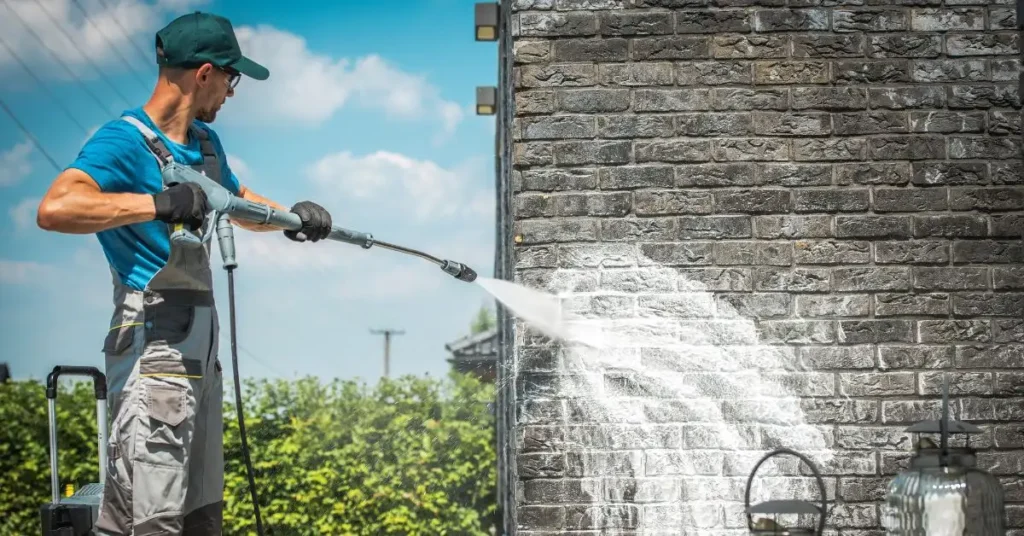
Pressure washing uses high-pressure water to remove dirt, grime, mud, stains, and buildup from outdoor surfaces. It works through force. The water hits the surface with enough power to loosen and move debris.
That can help a lot with hard materials.
When homeowners ask if soft washing better than pressure washing, pressure washing often loses on delicate surfaces because it brings more risk. Too much force can damage siding, peel paint, roughen wood, loosen mortar, or push water where it should not go.
How Pressure Washing Works
A pressure washer sends water through a narrow nozzle at high force. The nozzle type, machine setting, distance from the surface, and cleaning angle all affect the result.
Move too close and the surface can scar. Aim upward at siding and water can get behind panels. Spray near old mortar and the brickwork can suffer.
The tool is not the problem. Bad use is.
What Surfaces Can Handle Pressure Washing?
Durable surfaces usually handle pressure washing better. These include concrete driveways, some stone walkways, certain patios, garage floors, and hard nonporous exterior surfaces.
Even then, pressure needs control. Old concrete can chip. Pavers can lose joint sand. Painted concrete can peel. Some stones can mark under the wrong nozzle.
Soft Washing vs Pressure Washing: Main Differences
The easiest way to compare both methods is to look at how they clean, where they work, and what risks they bring. This is also where the question of soft washing better than pressure washing gets a clearer answer.
| Factor | Soft Washing | Pressure Washing |
| Pressure level | Low pressure | High pressure |
| Best for | Siding, decks, fences, roofs, painted surfaces | Concrete, stone, driveways, patios |
| Cleaning method | Cleaning solution plus gentle rinse | Water force |
| Damage risk | Lower on delicate surfaces | Higher if used incorrectly |
| Mould and algae removal | Better for organic growth | May remove surface dirt only |
| Best user | Homeowners with delicate exterior materials | Hard-surface cleaning needs |
Which Method Cleans Better?
Soft washing cleans better when the issue comes from organic growth. Algae, mould, mildew, and moss need treatment, not just water force. If you blast the surface but leave the growth behind, the stain can return faster.
Pressure washing cleans better when the issue sits on a hard surface. Think mud on concrete, winter grime on a walkway, or dirt on a stone patio.
So the better method depends on the problem.
Which Method Is Safer?
Soft washing is generally safer for home exteriors, especially older Toronto properties. Low pressure reduces the chance of surface damage, water intrusion, paint stripping, and wood splintering.
Pressure washing can clean hard surfaces well, but it has a smaller margin for error. One wrong angle near a window seal or light fixture can create a new issue.
Most homeowners do not need more power. They need the right method.
Which Method Is Better for Common Toronto Property Surfaces?
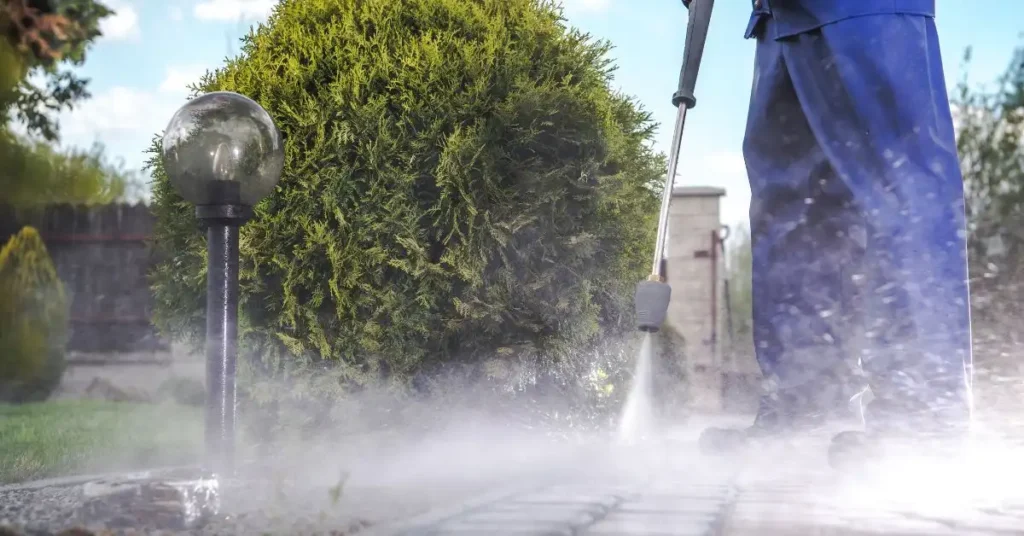
Toronto homes rarely have one exterior material. A single property may include vinyl siding, brick, concrete steps, wood fencing, painted trim, glass doors, metal railings, and a backyard deck.
That mix matters.
When a homeowner asks if soft washing better than pressure washing, we usually ask a better question first: what surface are we cleaning?
Siding
Soft washing usually works better for siding. High pressure can crack panels, loosen sections, or push water behind the exterior wall system.
Vinyl siding, painted siding, and fibre cement need care. Southern Living warns that too much pressure can damage siding by stripping paint, denting material, splintering wood, or pushing water behind the surface.
Decks and Fences
Soft washing is safer for most decks and fences. Wood can splinter under high pressure, especially if it has aged, dried out, or already lost some finish.
A backyard deck in Etobicoke that sits under trees does not need to get punished with force. It needs a method that removes algae and dirt while protecting the wood.
Brick and Older Masonry
Soft washing is usually safer for older brick and masonry. Toronto has many older homes with mortar that may not handle strong water force well.
Pressure washing can work on some newer brick or stone, but old mortar needs caution. Once mortar starts breaking down, cleaning becomes repair.
Driveways and Walkways
Pressure washing often works well for concrete driveways and walkways. These areas collect road salt, mud, oil marks, and foot traffic grime.
But soft washing can still help when algae or organic staining appears. The best result may use a surface-specific approach instead of one method for everything.
Patios and Outdoor Living Areas
Patios vary. Concrete, pavers, natural stone, wood, and composite decking all respond differently.
A small patio behind a Toronto row house may need a gentler clean around walls and fences, while the concrete slab itself can handle more pressure. That is normal. Outdoor areas often need more than one approach.
Windows and Exterior Glass
Pressure washing near windows can cause trouble. Strong water can affect seals, frames, screens, and nearby trim.
If the glass needs detailed cleaning after exterior washing, our Window Cleaning Services Toronto service can help keep the finish clear and streak-free.
Why Toronto Homes Need the Right Exterior Cleaning Method
Toronto weather gives exterior surfaces a hard time. Snow, slush, rain, humidity, tree cover, and freeze-thaw cycles all leave marks.
You can see it every spring.
Walkways carry salt residue. Backyard decks grow green patches in shaded corners. North-facing siding collects algae. Painted trim starts looking tired. Brick steps hold grime in rough areas.
This is why soft washing better than pressure washing often becomes the safer answer for Toronto homes with mixed or older exterior materials.
Winter Salt and Grime
Winter salt does not stay on the sidewalk. It gets tracked onto steps, porches, garage areas, lower siding, and entryways.
By April, many homes look dull from salt, dirt, and meltwater residue. Pressure can help on concrete, but softer nearby surfaces still need protection.
Use force where the surface can handle it. Use care everywhere else.
Algae, Mould, and Mildew in Shaded Areas
Shaded areas hold moisture longer. That creates the perfect setting for algae, mould, and mildew on siding, decks, fences, and patio edges.
Soft washing helps because it treats organic growth. Pressure washing may remove the visible stain, but it may not handle the source as well.
Older Toronto Homes and Surface Damage Risk
Older Toronto homes bring charm, but they also bring risk. Brick, mortar, wood trim, painted siding, and older exterior finishes may not react well to high pressure.
We have seen North York and Scarborough homes where the front steps needed strong cleaning, but the nearby painted railing and older brick needed a much lighter touch. Same property. Different surfaces. Different method.
Can Pressure Washing Damage Your Home?
Yes, pressure washing can damage your home when the pressure level, nozzle, angle, or surface choice is wrong. The risk rises on older homes, delicate materials, painted surfaces, siding, windows, wood, and brick. This is one reason homeowners compare soft washing better than pressure washing before booking a service or renting a machine.
A pressure washer can make a surface look cleaner in minutes. It can also create cracks, water entry, stripped paint, and rough wood just as fast.
Damage to Siding
High pressure can crack siding, loosen panels, or push water behind exterior walls. Once water gets behind siding, it can create hidden moisture problems.
Paint and Wood
Pressure can strip paint, scar wood, and roughen deck boards. If the surface already has peeling paint or worn finish, high pressure can make it worse. For homeowners planning to repaint, controlled washing can help with prep. But aggressive pressure can create extra sanding and repair work before painting starts.
If your project includes painting after exterior cleaning, our House Painting & Surface Finishing Services Toronto page is a useful next step.
Brick and Mortar
Old brick and mortar need caution. High pressure can loosen weak mortar, widen small gaps, and leave the surface looking uneven.
Toronto has many older homes where brickwork deserves a lighter touch. A clean wall means very little if the cleaning weakens the wall.
Windows and Fixtures
Pressure washing near windows, light fixtures, outlets, doorbells, and exterior wiring can create safety risks. Water can enter gaps, affect seals, or damage components.
Better Homes & Gardens lists glass, light fixtures, and electrical components among the surfaces homeowners should avoid pressure washing because of cracking, water intrusion, and electrical risk.
When Should You Hire a Professional Exterior Cleaning Service?
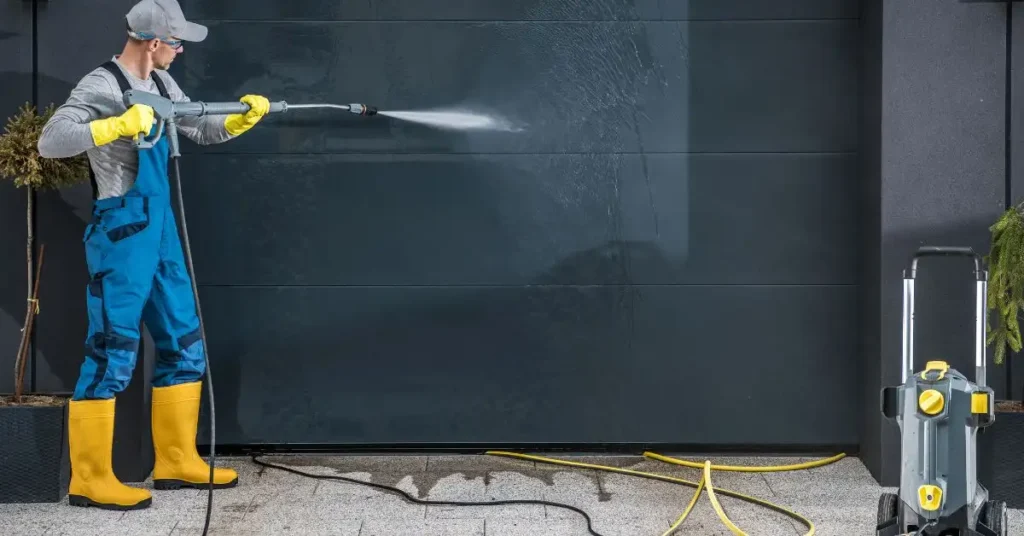
Hire a professional when you do not know the surface, see mould or algae, have older exterior materials, need high-area cleaning, plan to paint, or want to improve curb appeal before selling.
Many homeowners ask if soft washing better than pressure washing because they already feel unsure. That uncertainty is a sign to get the surface checked before cleaning starts.
Mould, Algae, or Mildew
Mould, algae, and mildew usually need soft washing. Blasting the surface may make it look better for a while, but it may not treat the growth properly.
This matters on shaded fences, north-facing siding, back decks, and damp patio areas.
Preparing to Paint or Sell
Exterior cleaning can help before painting or listing a home. Buyers notice siding, porches, walkways, decks, and entry areas before they step inside. If exterior painting is part of the plan, washing first can help remove dirt, dust, and buildup before surface finishing. We also explain whether you should power wash your house before painting in detail.
A pre-sale cleaning does not need to be aggressive. It needs to make the property look cared for.For renovation dust, exterior residue, or cleaning after home improvement work, our Post Renovation & Construction Cleaning Services Toronto service can support the final clean-up stage.
Need a Trusted Local Service Provider? If you’re in our service area, Tidy Up Handy Crew is here to help. Whether you need cleaning, handyman, painting, plumbing, or other property maintenance services, our team is ready to assist. Visit our Google Business Profile to read verified customer reviews, contact us directly, or get directions.
Google Business Profile: https://maps.app.goo.gl/Jxo4YMBjmxTC2eGi6
Phone: +1 (226) 201-3103
Address: 3400 Danforth Ave Unit 5, Scarborough, ON M1L 1E1, Canada
TidyUp HandyCrew’s Soft Pressure Wash Cleaning in Toronto
At TidyUp HandyCrew, we offer exterior cleaning support for Toronto and GTA homes, rentals, and small businesses. Our Soft Pressure Wash Cleaning Toronto service helps clean siding, decks, patios, fences, walkways, and other outdoor surfaces with a surface-appropriate approach.
A deck, fence, brick wall, and driveway may all sit within 20 feet of each other, but each one needs its own cleaning decision. We check the surface, look at the buildup, and choose a method that fits the material. Timing also depends on the size of the property, surface condition, access, and cleaning method. For a clearer idea, we explain how long it takes to power wash a house in a separate homeowner guide.
This is where the question of soft washing better than pressure washing becomes practical. It stops being a search query and becomes a property decision.
Good for Homes, Rentals, and Small Businesses
Our exterior cleaning service can help homeowners, landlords, property managers, Airbnb hosts, real estate agents, and business owners.
A landlord may need a walkway and siding cleaned between tenants. An Airbnb host may need a patio refreshed before summer bookings. A small business may need a storefront entrance cleaned after months of foot traffic.
Related Property Care Services
Exterior cleaning often connects to other property care tasks. After washing siding or patios, windows may need a detailed clean. Before painting, surfaces may need careful preparation. After renovations, dust and debris may need removal from interior and exterior areas.
For business properties, our Commercial Cleaning Services Toronto can also support offices, storefronts, restaurants, showrooms, and other customer-facing spaces.
Final Verdict: Is Soft Washing Better Than Pressure Washing?
Soft washing is better for delicate home surfaces, older materials, painted areas, siding, decks, fences, stucco, and organic growth. Pressure washing is better for strong hard surfaces such as concrete, stone, and some driveways.
So, is soft washing better than pressure washing for Toronto homes? In many cases, yes. Soft washing gives homeowners a safer way to clean the parts of a property that pressure can damage.
But pressure washing still has a role.
The best exterior cleaning plan does not choose one method blindly. It matches the method to the surface. That means low pressure for delicate areas, stronger pressure for durable hard surfaces, and careful handling around windows, fixtures, old brick, and painted finishes.
Frequently Asked Questions
Is soft washing better than pressure washing for siding?
Yes, soft washing is usually better for siding because it uses lower pressure and reduces the risk of cracking panels, forcing water behind the wall, or damaging the finish.
Can pressure washing damage a house?
Yes. Pressure washing can damage siding, paint, wood, brick mortar, windows, light fixtures, and exterior electrical components when someone uses too much force or the wrong angle.This is why many homeowners ask if soft washing better than pressure washing before cleaning the outside of a house.
Is soft washing safe for decks and fences?
Soft washing is often safer for decks and fences because it cleans with low pressure. That helps protect wood grain, painted surfaces, and older boards..
Which is better for driveways, soft washing or pressure washing?
Pressure washing often works better for concrete driveways because concrete can usually handle more force than siding, wood, or painted surfaces.Soft washing can still help when the driveway has algae or organic staining. The right choice depends on the surface condition and the type of buildup.
How often should you soft wash a house in Toronto?
Many Toronto homes benefit from exterior cleaning once a year or seasonally, especially after winter or when shaded areas show algae, mould, or mildew.Homes near trees, damp side yards, and busy roads may need cleaning more often than open, sunny properties.
Final Thoughts
Soft washing is usually the better choice for delicate exterior surfaces, while pressure washing works better for hard, durable materials. The wrong method can damage siding, wood, brick, paint, windows, and fixtures, so the safest answer depends on the surface.
For many Toronto homeowners, soft washing better than pressure washing when the goal is to clean siding, decks, fences, painted surfaces, stucco, older brick, or areas with algae and mildew. Pressure washing still helps on concrete, stone, and some driveways, but it needs control.
Ready to clean your home’s exterior without risking surface damage? Contact TidyUp HandyCrew for Soft Pressure Wash Cleaning Toronto.
