

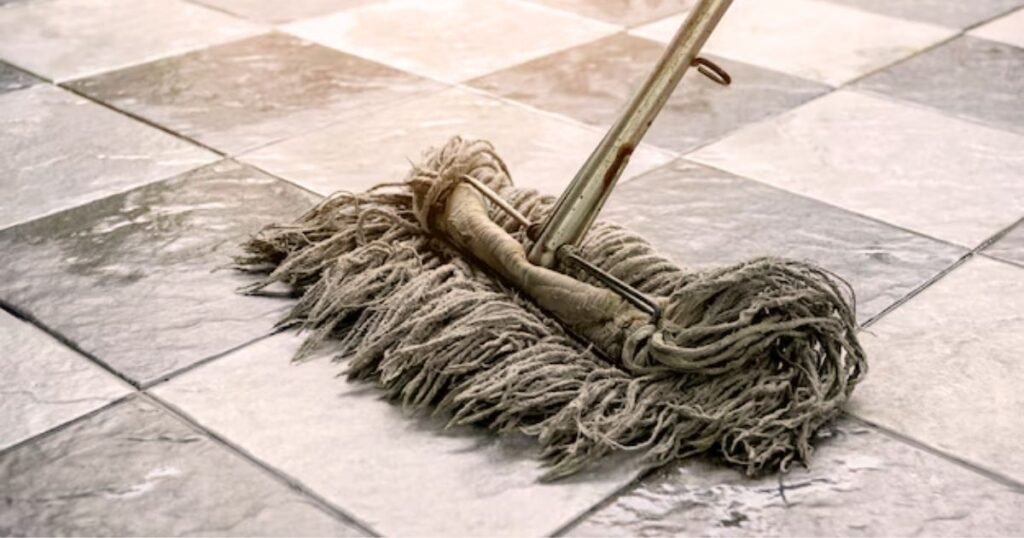
Your floors can look dull, sticky, or streaky even after mopping if the cleaner is too harsh or leaves residue behind. A pH neutral floor cleaner can help with routine floor cleaning because it is designed to clean without being strongly acidic or strongly alkaline.
A pH neutral floor cleaner is a cleaning solution with a pH close to 7. It is often used on hardwood, vinyl, laminate, tile, and stone because it can lower the risk of damage compared with harsh acidic or alkaline cleaners. Always check your floor manufacturer’s care instructions before using any cleaner.
For busy homes, rentals, offices, and move-out cleaning, the right floor cleaner can protect the surface and keep rooms looking well maintained. At TidyUp HandyCrew, we help with tile and floor cleaning in Toronto when regular mopping is not enough.
In this blog, we’ll cover what a pH neutral cleaner means, which floors it works best on, what mistakes to avoid, and when to call a professional floor cleaner.
What Is a pH Neutral Floor Cleaner?
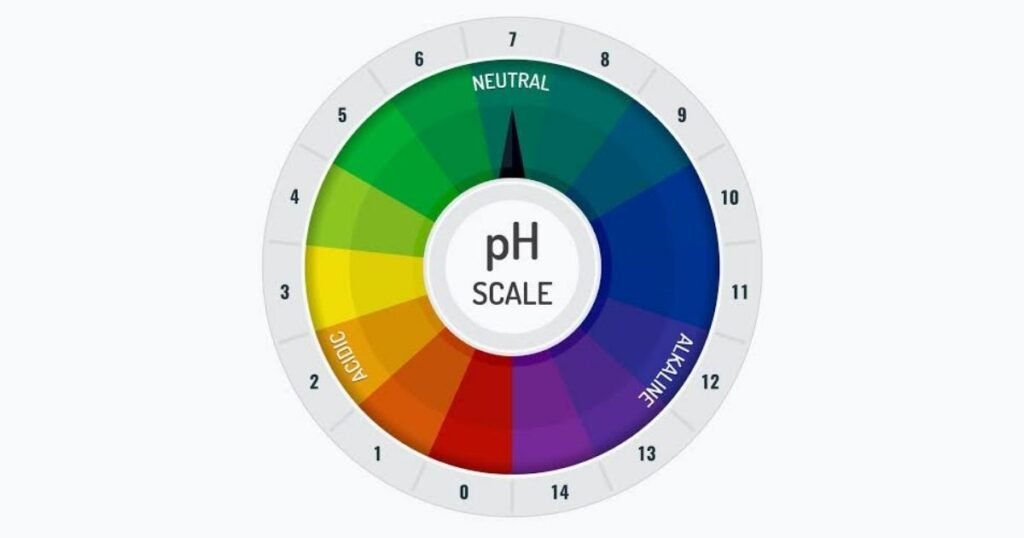
A cleaner with a neutral pH has a pH level close to 7. That means it is not strongly acidic and not strongly alkaline.
The pH scale usually runs from 0 to 14. Acidic cleaners sit below 7. Alkaline cleaners sit above 7. Neutral cleaners sit near the middle.
That middle point matters for floors because many floor surfaces have protective finishes. Harsh cleaners can dull, strip, stain, or weaken those finishes over time.
Neutral does not mean weak. It means the cleaner is designed for routine cleaning without the stronger chemical profile of acid-based or alkaline-heavy products.
Still, do not assume every neutral cleaner is safe for every floor. Always check the product label and your floor’s care instructions first.
Why Does pH Matter When Cleaning Floors?
pH matters because floors are not all made from the same material. Hardwood, laminate, vinyl, tile, grout, natural stone, and sealed concrete can react differently to the same cleaner.
A cleaner that works well on a greasy kitchen floor may be too harsh for finished hardwood. A cleaner that removes mineral buildup from tile may damage natural stone. One bottle does not fit every floor.
Wrong cleaner choices can cause:
- Dullness. Strong cleaners can reduce shine or weaken a floor finish.
- Sticky residue. Too much product or the wrong formula can leave a film behind.
- Streaks. Residue, dirty mop water, or harsh cleaners can dry unevenly.
- Grout damage. Acidic products can weaken some grout over time.
- Surface wear. Repeated use of harsh cleaners can make floors age faster.
Acidic Cleaners vs Alkaline Cleaners vs Neutral Cleaners
Acidic cleaners are often used for mineral deposits, soap scum, rust marks, and hard water buildup. Vinegar and lemon-based cleaners are common examples people use at home.
Alkaline cleaners are often used for grease, oil, and heavy soil. Degreasers and some ammonia-based cleaners fall into this group.
Neutral cleaners are usually used for routine floor cleaning. They help lift everyday dirt, dust, and light residue without the same risk level as stronger products.
That is why a neutral floor cleaner is often the safer first choice for regular floor care, especially when you are not dealing with heavy grease or a specific stain.
Why Stronger Cleaner Does Not Always Mean Better Cleaning
A stronger cleaner can feel like the faster answer. In real homes, it can create more work.
If the cleaner is too harsh, the floor may look dull after drying. If the product leaves residue, the floor may feel sticky and collect dirt faster. If you use too much water, laminate or hardwood can swell at the edges.
Good floor cleaning is not about using the strongest product. It is about using the right product, the right amount, and the right method for that surface.
Which Floors Can Use a Neutral Floor Cleaner?
Many common floors can use a neutral cleaner for routine maintenance, but the label still matters. Some products are safe for multiple surfaces. Others are made for one floor type only.
Use this quick guide before choosing a cleaner.
| Floor Type | Can You Use a Neutral Cleaner? | What to Avoid | Best Tip |
| Hardwood | Usually a safer option for routine cleaning | Too much water, vinegar, steam | Use a damp mop, not a wet mop |
| Laminate | Often suitable if the label says safe | Soaking, steam, abrasive pads | Dry the floor quickly |
| Vinyl | Often safe for regular cleaning | Abrasive cleaners, waxy residue | Use small amounts and rinse if needed |
| Tile | Good for routine cleaning | Harsh acid on grout or stone tile | Check tile and grout type |
| Natural stone | Often recommended | Vinegar, lemon, acidic products | Use a stone-safe neutral cleaner |
| Sealed concrete | Can be useful | Strong degreasers unless needed | Avoid damaging the sealant |
A neutral floor cleaner is most useful when your goal is regular maintenance, not heavy-duty stripping, deep stain removal, or major grease cleanup.
Can You Use pH Neutral Cleaner on Hardwood Floors?
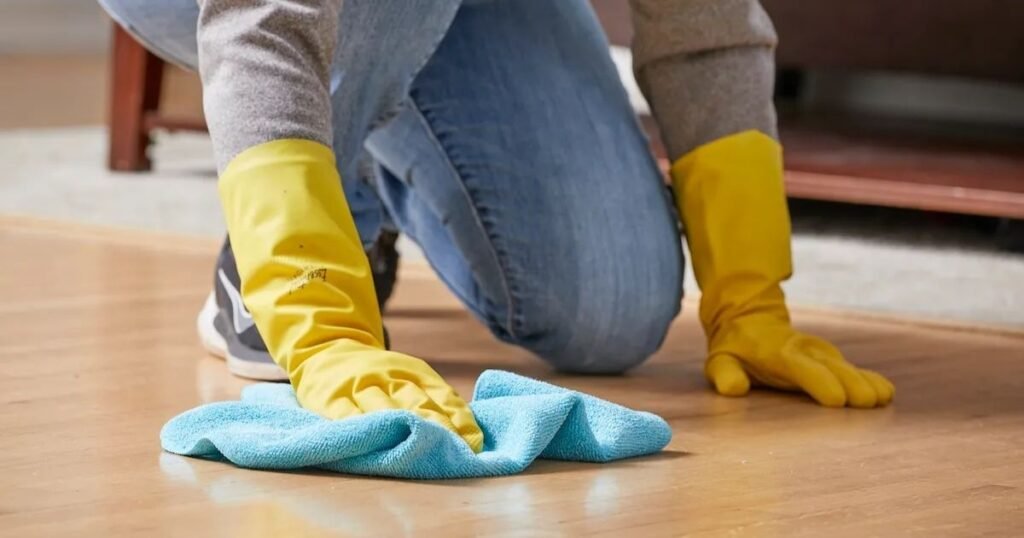
Yes, you can often use a neutral cleaner on hardwood floors, but the amount of moisture matters just as much as the cleaner itself.
Hardwood does not like soaking. Water can sit between boards, affect the finish, or cause swelling if the floor is not sealed well. That is why a damp mop is safer than a wet mop.
Spray or apply a small amount of cleaner to the mop, not directly across the whole floor. Work in small sections and dry any damp areas quickly.
If your hardwood floor is under warranty, check the manufacturer’s care instructions before using homemade or acidic cleaners. This is especially important before using vinegar, steam, or heavy degreasers.
Hardwood Floor Cleaning Mistakes to Avoid
Avoid wet mopping hardwood floors. A mop should feel damp, not dripping.
Avoid steam cleaning unless the flooring manufacturer clearly says it is safe. Steam can force moisture into seams and under the finish.
Avoid vinegar as a regular hardwood cleaner. It is acidic, and repeated use may dull some finishes.
Avoid abrasive pads. They can scratch the surface and make the floor look worn even after cleaning.
Simple wins here. Less water, less product, and more patience usually protect hardwood better than aggressive cleaning.
Is pH Neutral Cleaner Safe for Laminate and Vinyl Floors?
A neutral cleaner is often a good option for laminate and vinyl floors, as long as the product label says it is safe for that surface. These floors are common in condos, rentals, kitchens, basements, and high-traffic spaces because they are practical and easier to maintain than many natural materials.
Laminate and vinyl still need careful cleaning. Too much product can leave streaks. Too much water can create problems, especially with laminate seams.
Use a small amount of cleaner, mop lightly, and change mop water when it gets dirty. If the floor feels sticky after drying, you may be using too much product.
Why Laminate Floors Need Careful Mopping
Laminate floors can be sensitive around the edges and seams. If water sits too long, it may work into those seams and cause swelling or lifting.
Do not soak laminate. Do not leave puddles. Do not use steam unless the manufacturer clearly allows it.
A neutral floor cleaner can help with everyday dirt, but the cleaning method still needs to stay low-moisture.
Why Vinyl Floors Can Look Sticky After Cleaning
Vinyl floors often look sticky when too much cleaner is used. The product dries on the surface and leaves a film.
Another reason is dirty mop water. If the mop water is already full of soil, you may spread residue across the floor instead of removing it.
Use less cleaner than you think you need. Rinse the mop often. If the product label says rinsing is needed, do not skip it.
Can You Use pH Neutral Cleaner on Tile, Grout, and Stone?
Tile floors are usually easier to clean than hardwood or laminate, but grout and natural stone need more care. A neutral cleaner can be a good routine option because it helps clean everyday dirt without relying on harsh acid or heavy alkaline products.
For ceramic or porcelain tile, neutral cleaners can work well for regular mopping. The bigger issue is often grout. Grout lines can hold dirt, soap residue, and moisture, especially in kitchens, bathrooms, and entryways.
Natural stone is more sensitive. Marble, limestone, travertine, slate, and some other stone floors can react badly to acidic cleaners. Even a cleaner that seems mild can leave dull spots or etching if the floor is sensitive.
If your floors still look dull, streaky, or sticky after regular mopping, TidyUp HandyCrew can help with tile and floor cleaning in Toronto for homes, rentals, and property spaces.
Why Vinegar Can Damage Natural Stone
Vinegar is acidic. That is the main reason it can be risky on natural stone.
On marble, limestone, and travertine, acidic cleaners can react with the surface and leave dull marks. These marks are not just dirt. They can be surface damage.
This is why many stone floors need a stone-safe neutral cleaner. If you do not know what type of stone you have, test carefully or ask a flooring professional before using vinegar or lemon-based products.
How to Clean Grout Without Harsh Products
Grout often looks dirty before the tile does because it sits slightly lower and has a more textured surface. Dirt settles into the lines and regular mopping may not lift all of it.
Start with a neutral cleaner and warm water if the product label allows it. Use a soft brush on the grout lines, then wipe away loosened soil with a clean damp cloth or mop.
Avoid aggressive scrubbing on weak, cracked, or old grout. If the grout is stained deep, damaged, or dark even after cleaning, regular mopping may not be enough.
Is Vinegar a pH Neutral Floor Cleaner?
No, vinegar is not pH neutral. Vinegar is acidic, which means it sits below neutral on the pH scale.
That does not mean vinegar is useless. It can help with some household cleaning tasks. The problem is that people often use vinegar as a universal floor cleaner, and that is where damage can happen.
Vinegar can be risky on hardwood finishes, natural stone, some grout, and floors with manufacturer care restrictions. It may also leave a smell or dull certain surfaces over time.
If your floor is under warranty, check the manufacturer’s care instructions before using homemade or acidic cleaners.
When Vinegar Can Be Risky on Floors
Vinegar can be risky when the floor has a protective coating that acidic cleaners may weaken. This can include some finished hardwood, sealed stone, and specialty flooring.
It can also be risky on natural stone because acid can etch the surface. Etching looks like a dull mark or cloudy patch that does not wipe away like normal dirt.
Use vinegar carefully, and do not assume it is safer just because it is a common household product.
How to Use a Neutral Floor Cleaner the Right Way
A neutral cleaner works best when you use it in the right amount. Too much product can leave residue, even if the cleaner itself is gentle.
Follow these steps:
- Sweep or vacuum first. Loose dirt can scratch floors or turn into muddy streaks when you mop.
- Read the product label. Some cleaners need dilution. Others are ready to use.
- Test in a hidden spot. Try the cleaner under furniture or in a corner before using it across the room.
- Use a damp mop, not a soaked mop. Too much water can damage wood, laminate, seams, and some floor finishes.
- Work in small sections. This helps you control moisture and avoid leaving cleaner on the floor too long.
- Rinse only if the label says so. Some neutral cleaners are no-rinse products. Others need a light rinse to remove residue.
- Dry the floor if moisture remains. A dry microfibre cloth can help prevent streaks and water marks.
The goal is simple: clean the floor without flooding it or leaving product behind.
Why Do Floors Feel Sticky After Mopping?
Floors usually feel sticky after mopping because something is left behind. It may be soap, cleaner residue, dirty mop water, grease, or buildup from older products.
This happens often in kitchens, entryways, rental units, offices, and high-traffic areas. You mop, the floor looks better for a while, then it feels tacky underfoot after drying.
More cleaner will not fix that. It can make the problem worse.
How to Fix Sticky Floors
Start by stopping the product buildup. Use less cleaner next time and change the mop water more often.
If the floor type allows it, mop again with clean water to lift residue. Use a damp mop, not a soaking wet one. Dry the floor after cleaning if it still feels tacky.
For kitchen floors, residue may come from food oils, cooking grease, or old cleaning products. Our guide on kitchen grease and oil buildup explains why greasy surfaces often need more than a quick wipe.
If the sticky feeling keeps returning, the floor may need deeper cleaning to remove old buildup.
When Should You Call a Professional Floor Cleaner?
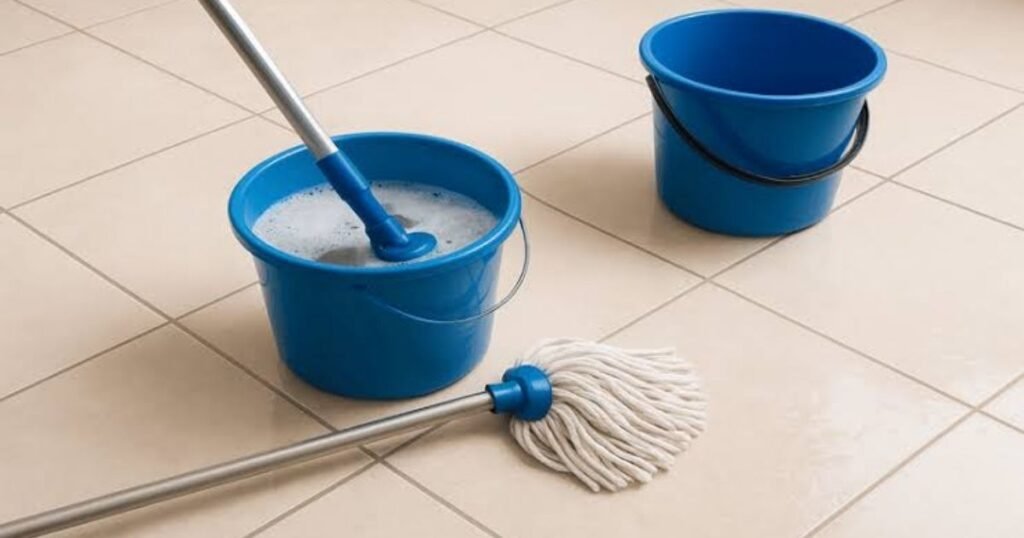
Regular mopping works for light dirt, dust, and fresh spills. It does not always solve dullness, sticky residue, stained grout, or deep buildup.
Call a professional floor cleaner when:
- Floors still look dull after cleaning. The issue may be residue, wear, or buildup, not just surface dirt.
- Sticky residue keeps coming back. Repeated mopping may spread old product instead of removing it.
- Grout lines look dark or stained. Grout can hold soil below the surface.
- High-traffic areas look different from the rest of the floor. Entryways, kitchens, hallways, and office walkways often need deeper cleaning.
- You are preparing for move-in, move-out, guests, showings, or inspections. Clean floors can change how the whole space looks.
- You are unsure which cleaner is safe. Guessing can damage hardwood, laminate, stone, or specialty floors.
If you are trying to decide between routine maintenance and a deeper clean, our guide on deep cleaning vs regular cleaning can help.
For ongoing home care, you can also review what affects regular house cleaning cost.
How to Keep Floors Clean Without Damaging Them
The best floor care is consistent, gentle, and matched to the surface. You do not need harsh products for every cleaning job.
Use these habits to protect your floors:
- Sweep or vacuum before mopping. Loose grit can scratch floors and make mopping less effective.
- Use mats near entrances. They catch dirt, salt, and moisture before they spread through the home.
- Clean spills quickly. Liquids can leave marks, attract dirt, or reach seams.
- Avoid overusing cleaner. More product often means more residue.
- Use floor-specific products. Hardwood, stone, laminate, vinyl, tile, and concrete do not all need the same cleaner.
- Keep mop heads clean. A dirty mop spreads soil across the floor.
- Avoid soaking wood or laminate. Moisture control protects seams and finishes.
- Schedule deeper cleaning for high-traffic spaces. Busy homes, rentals, offices, and move-out situations may need more than regular mopping.
For a broader cleaning routine, our Toronto house cleaning checklist can help you plan room-by-room tasks.
A good floor cleaner helps, but the method matters just as much. Use the right product, control moisture, and stop before residue builds up.
Frequently Asked Questions
Question: What is a pH neutral floor cleaner?
Answer: It is a cleaning solution with a pH level close to 7. It is not strongly acidic or strongly alkaline, which makes it useful for routine cleaning on many floor types. It can help clean everyday dirt while lowering the risk of damage from harsher cleaners.
Question: Is vinegar a pH neutral floor cleaner?
Answer: No, vinegar is acidic, so it sits below neutral on the pH scale. It may work for some household cleaning tasks, but it can be risky on hardwood finishes, natural stone, grout, and floors with specific manufacturer care rules. Use it only when your floor-care instructions say it is safe.
Question: Can I use a pH neutral cleaner on hardwood floors?
Answer: You can often use a neutral cleaner on hardwood floors if the product label says it is safe for wood. The bigger issue is moisture control. Use a damp mop, not a wet mop, and never let water sit on hardwood.
Question: Is pH neutral cleaner safe for vinyl plank flooring?
Answer: A neutral cleaner is often safe for vinyl plank flooring when the product label confirms it is suitable for vinyl. Use a small amount and avoid abrasive pads or waxy products. If the floor feels sticky after mopping, you may be using too much cleaner.
Question: What cleaner should I avoid on laminate floors?
Answer: Avoid soaking laminate floors, using steam without manufacturer approval, and applying harsh or abrasive cleaners. Laminate seams can swell when too much moisture gets in. A low-moisture method with a floor-safe cleaner is usually the better choice.
Question: Why do my floors feel sticky after mopping?
Answer: Floors often feel sticky after mopping because of cleaner residue, too much product, dirty mop water, or old buildup. Adding more cleaner usually makes the problem worse. Use less product, change mop water often, and rinse only if the cleaner label recommends it.
Question: How often should floors be professionally cleaned?
Answer: Most homes can handle routine mopping weekly or as needed, but high-traffic floors may need professional cleaning a few times a year. Rentals, offices, move-out situations, kitchens, entryways, and homes with pets or children may need deeper floor cleaning more often. If floors stay dull or sticky after regular cleaning, it may be time to call a professional.
Conclusion
A neutral floor cleaner can make regular floor care safer when you use it correctly and match it to the floor type. Hardwood, vinyl, laminate, tile, grout, stone, and sealed concrete all need different levels of care, so the cleaner and method both matter.
If your floors still look dull, sticky, or streaky after mopping, do not keep adding stronger products. TidyUp HandyCrew helps homeowners, renters, landlords, and property managers with tile and floor cleaning in Toronto when regular cleaning is not enough.
Need a Trusted Local Service Provider? If you’re in our service area, Tidy Up Handy Crew is here to help. Whether you need cleaning, handyman, painting, plumbing, or other property maintenance services, our team is ready to assist. Visit our Google Business Profile to read verified customer reviews, contact us directly, or get directions.
Google Business Profile: https://maps.app.goo.gl/Jxo4YMBjmxTC2eGi6
Phone: +1 (226) 201-3103
Address: 3400 Danforth Ave Unit 5, Scarborough, ON M1L 1E1, Canada
