

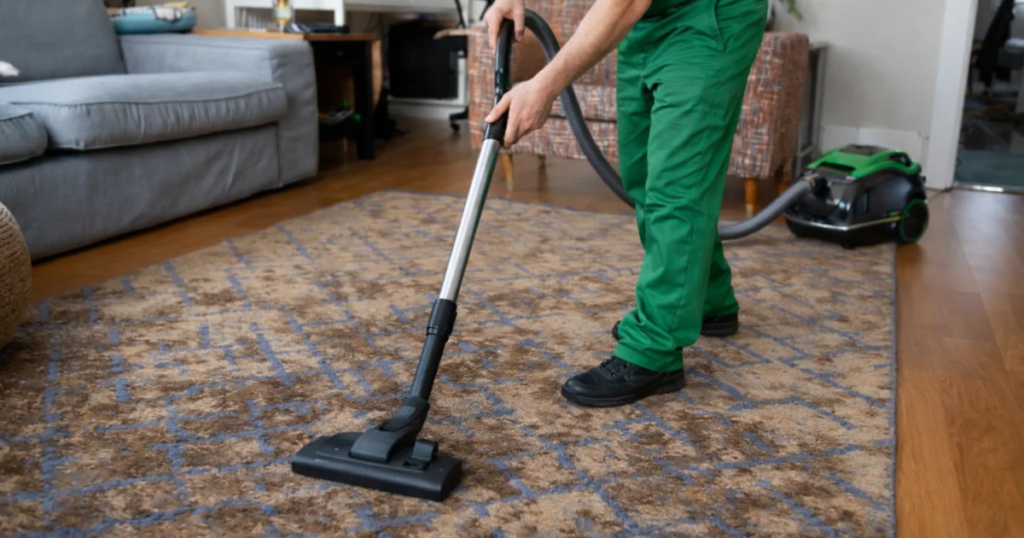
Cleaning carpet at home starts with thorough vacuuming, prompt stain treatment, and a method that matches the carpet fibre and manufacturer’s care instructions. For deeper cleaning, use an appropriate carpet-cleaning machine or approved method, then allow the carpet to dry completely before replacing furniture or walking on it heavily.
Toronto homes can face additional carpet buildup from winter salt, slush, pet hair, foot traffic, spills, and moisture tracked indoors. These conditions make regular vacuuming and quick spot treatment useful in entryways, hallways, living rooms, bedrooms, condos, and rental properties.
Before using vinegar, baking soda, hydrogen peroxide, or any cleaning solution, test it on a hidden area and check whether it is suitable for your carpet type. Wool and other natural fibres may require different care than synthetic carpet.
TidyUp HandyCrew provides professional carpet and upholstery deep cleaning services in Toronto, including hot water extraction for suitable carpets. This guide explains how to clean carpet step by step, treat common stains, dry it properly, and decide when professional cleaning makes sense.
Why Regular Carpet Cleaning Matters More Than You Think
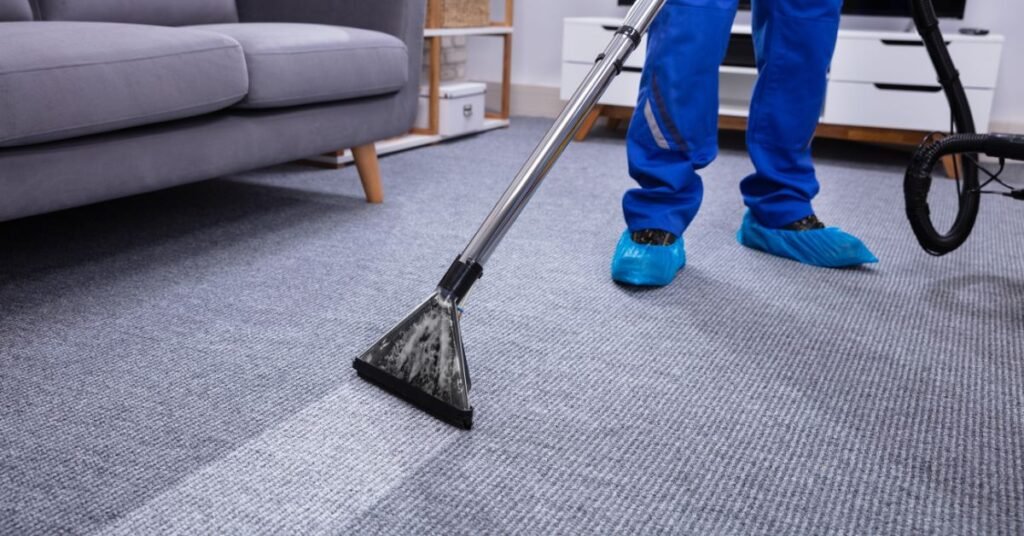
Carpets collect dust, pet hair, pollen, crumbs, soil, spills, and other particles from everyday foot traffic. Regular vacuuming removes loose surface debris, but dirt can settle deeper into carpet fibres, especially in entryways, hallways, stairs, and other high-traffic areas.
For Toronto homes, seasonal conditions can add to that buildup. Winter footwear can track in salt, slush, sand, and moisture, while pets, children, and frequent indoor traffic can make carpets look worn faster. Damp carpet should also be dried properly rather than left wet for long periods.
Visible stains are another reason to act early. Blot spills instead of rubbing them, and choose a method that matches both the stain and carpet fibre. For step-by-step treatment of food, pet, coffee, grease, and other marks, see our guide to removing common carpet stains.
High-traffic areas may also become darker or flatter as soil is repeatedly worked into the pile. When vacuuming and spot treatment no longer improve the appearance, a deeper carpet-cleaning method may be worth considering.
Our Toronto carpet cleaning guide explains stains, odours, drying time, cleaning methods, and the factors to consider before booking professional cleaning.
Regular carpet care is therefore less about following a fixed cleaning schedule and more about responding to traffic, spills, pets, seasonal residue, carpet type, and the condition of the fibres.
What You Need to Clean Carpet at Home
Most of what you need is already in your kitchen. Gather everything before you start, so you are not running to the store with a half-wet carpet.
- Vacuum cleaner with a beater bar or brush roll for agitating fibres and pulling up embedded dirt. A crevice tool helps along baseboards and edges.
- Baking soda for deodorising. The cheapest and most effective carpet freshener you can buy.
- White vinegar mixed with water is a natural, all-purpose stain solution. Works well on coffee, juice, and general grime.
- Mild dish soap for spot-treating. A few drops in warm water handle most common stains.
- Spray bottle for applying solutions evenly without over-wetting the carpet.
- Clean white cloths or microfiber towels for blotting. White prevents dye transfer onto wet carpet.
- Soft-bristled brush for gently working cleaning solutions into carpet fibres without damaging them.
- Hydrogen peroxide (3% household strength) for tough organic stains like blood, wine, and pet accidents. Always test on a hidden area first.
- Bucket for mixing cleaning solutions.
Choose non-toxic, eco-friendly products wherever possible. Chemical residue left in carpet fibres sits right where children play, pets sleep, and bare feet walk. Plant-based cleaners do the same job without that concern.
How to Clean Carpet Step by Step
This process works for most synthetic and blended carpets. For wool or natural fibre carpets, check the manufacturer’s care guidelines before applying any liquid cleaner.
Step 1: Clear the Room and Move Furniture
Remove everything you can. Side tables, chairs, lamps, floor plants, shoes, toys. Get them out of the way completely.
For heavy items like sofas and beds, clean in stages. Shift the sofa to one side of the room, clean the exposed carpet, let it dry, then move the sofa onto the clean section and do the other half. Cleaning around furniture means missing the dirtiest spots underneath, exactly where dust and crumbs have been collecting for months.
Step 2: Vacuum Thoroughly Before Anything Else
Vacuum the entire carpet before applying any liquid or powder. This step removes loose dirt, crumbs, hair, and surface debris so your cleaning solutions can focus on actual stains and embedded grime instead of just pushing loose particles around.
Go over high-traffic areas 2 to 3 times in different directions. Change the angle each pass. This lifts flattened fibres and pulls dirt from multiple sides. Use the crevice tool along every baseboard, corner, and edge where dust collects and the main vacuum head does not reach.
Do not rush this. A thorough pre-vacuum makes every step that follows noticeably more effective.
Step 3: Deodorise with Baking Soda
Sprinkle baking soda generously over the entire carpet. Do not be conservative with the amount. A light dusting barely does anything. You want a visible layer across the full surface, with extra on high-traffic zones and any spots that smell off.
Let it sit for 15 to 30 minutes minimum. For stronger odours from pets, cooking, or general staleness, leave it overnight. Baking soda absorbs trapped moisture and neutralises odours without adding any chemical residue to the carpet.
Vacuum it all off thoroughly the next morning or after the wait time. The carpet should smell noticeably fresher after this step alone. Most people are surprised by how much difference baking soda makes with zero effort.
Step 4: Spot-Treat Stains Before Deep Cleaning
Deal with visible stains individually before doing a full carpet clean. Treating stains first gives the solution time to work while you handle the rest.
The golden rule: blot, never rub. Rubbing pushes the stain deeper into the fibres and spreads it outward. Blotting lifts it up and out.
Use a clean white cloth for all blotting. Coloured towels can transfer dye onto wet carpet, creating a new stain on top of the one you are trying to remove.
Work from the outside edge of the stain inward. This prevents the stain from expanding into clean carpet. Apply your cleaning solution to the cloth first, not directly onto the carpet, to avoid over-wetting.
Step 5: Deep Clean and Let It Dry Completely
After vacuuming, deodorising, and spot-treating, you have two options for the deep clean.
Option 1: Carpet cleaning machine. You can rent one from most hardware stores in Toronto for $30 to $50 per day. Fill it with hot water and the recommended carpet cleaning solution. Work in rows, overlapping each pass. Make extra passes without spraying solution to extract as much dirty water as possible.
Option 2: Clean by hand. Covered in detail in a later section for those who prefer not to use a machine.
After deep cleaning, drying is critical. Open windows if the weather allows. Point fans at the carpet. Turn on your heating or AC for air circulation. Carpet takes 8 to 12 hours to dry after machine cleaning at home. Do not walk on it, replace furniture, or lay anything on it until the fibres are fully dry. Damp carpet breeds mould, especially during Toronto’s humid summer months.
How to Remove Common Carpet Stains
Different carpet stains need different treatment. The safest approach is to blot rather than scrub, use as little moisture as possible, and test any cleaning solution on a hidden area first. Always check the carpet manufacturer’s care instructions, especially for wool or other natural fibres.
Coffee and Tea Stains
For fresh coffee or tea:
- Blot immediately with a clean white cloth.
- Apply a small amount of cool or lukewarm water.
- Blot from the outside of the stain toward the centre.
- If needed, use a small amount of carpet-safe detergent.
- Blot again with clean water to remove residue.
- Press with a dry towel and allow the area to dry.
Avoid aggressive scrubbing, which can spread the stain and distort carpet fibres.
For older stains, lightly dampen the area first, then repeat the blotting process.
Red Wine Stains
Act quickly before the stain spreads deeper into the carpet.
- Blot as much liquid as possible.
- Apply a small amount of cool water.
- Blot again with a clean cloth.
- Use a carpet-safe stain remover if the mark remains.
- Test any stronger treatment in a hidden area first.
Avoid rubbing the stain. Products such as hydrogen peroxide can lighten some carpet colours, so they should not be used without checking fibre and colour compatibility.
Pet Stains and Odours
Pet accidents often require attention to both the visible stain and the odour.
- Blot fresh moisture immediately.
- Use an enzyme-based cleaner approved for carpet.
- Follow the product’s dwell-time and drying instructions.
- Avoid oversaturating the carpet or padding.
If the smell returns after the surface appears clean, urine may have reached the carpet backing or underpad. Repeated surface cleaning may not solve deeper contamination.
For more help with recurring pet odours, read our guide on how to remove pet smell from your home and furniture.
Grease and Oil Stains
Grease should be treated carefully because excess liquid can spread it.
Try this approach:
- Blot or lift any excess residue without rubbing.
- Apply a small amount of an absorbent material such as baking soda if appropriate for the carpet.
- Vacuum the dry powder thoroughly.
- Apply a small amount of carpet-safe detergent to a cloth.
- Blot the stained area gently.
- Remove cleaner residue with a lightly damp cloth.
- Allow the carpet to dry completely.
Avoid pouring detergent or water directly onto the carpet.
Mud and Dirt Stains
Mud is often easier to remove after it dries.
- Allow wet mud to dry completely.
- Vacuum the loose, dried soil thoroughly.
- Repeat vacuuming if needed.
- Treat remaining discolouration with a small amount of carpet-safe cleaner.
- Blot rather than scrub.
- Allow the area to dry before walking on it.
Entryways and hallways in Toronto homes may need extra attention during winter because salt, sand, slush, and outdoor soil are frequently tracked indoors.
When a Stain Needs Deeper Cleaning
Home spot treatment may not be enough when:
- The stain keeps returning
- Several high-traffic areas look dark or dull
- Odour remains after cleaning
- The carpet has not been deeply cleaned for a long time
- Dirt or liquid may have reached the underpad
If you are deciding whether ordinary spot treatment, steam cleaning, or a deeper carpet-cleaning method is more appropriate, see our guide to steam vs. deep carpet cleaning in Toronto.
The key is to treat stains early, use a method suitable for the carpet fibre, and avoid repeatedly applying stronger products when the first treatment does not work.
How to Deep Clean Carpet Without a Machine
You can deep clean a small carpeted area without a machine, but the goal should be to remove surface buildup without oversaturating the fibres or underpad. Always check the carpet manufacturer’s care instructions first, especially for wool or other natural fibres.
For suitable synthetic carpet:
- Vacuum thoroughly to remove loose dirt.
- Apply a small amount of carpet-safe cleaning solution to a cloth or soft brush.
- Work in small sections without soaking the carpet.
- Blot or gently agitate heavily soiled areas rather than scrubbing aggressively.
- Remove cleaner residue with a lightly damp microfiber cloth.
- Press with a dry towel to absorb excess moisture.
- Improve airflow with open windows or a fan and allow the carpet to dry completely.
This method can help refresh small rooms, high-traffic areas, and targeted spots, but it does not remove embedded soil as effectively as extraction equipment.
For a complete DIY process, see our guide on how to deep clean carpets at home, including hand-cleaning and machine-cleaning options.
How Often Should You Clean Your Carpet
Most people clean their carpet only when it looks dirty. By then, months of embedded grime have already shortened the carpet’s lifespan and affected air quality.
Here is a realistic schedule that keeps carpet in good shape:
Weekly: Vacuum all carpeted areas. Go over high-traffic zones 2 to 3 times. This single habit prevents most buildup from becoming a problem.
Monthly: Deodorise with baking soda. Sprinkle, wait 20 to 30 minutes, vacuum off. Takes ten minutes and keeps the carpet smelling fresh between deeper cleans.
Immediately as needed: Spot-treat stains the moment they happen. A coffee stain blotted within 30 seconds is a non-issue. That same stain left until the next morning becomes a permanent mark.
Every 3 to 6 months: Do a full deep clean using a machine or the hand method. This is your reset. Homes with pets or young children benefit from the shorter end of this range.
Every 6 to 12 months: Book a professional deep clean. The Carpet and Rug Institute recommends professional cleaning every 12 to 18 months. But Toronto homes deal with winter salt for five months and humid summers that push moisture into carpet fibres. More frequent professional cleaning addresses both.
If you are unsure whether your carpet needs a deep clean or just regular maintenance, our guide on deep cleaning vs regular cleaning breaks down exactly what each level covers.
When to Hire a Professional Carpet Cleaning Service in Toronto
DIY methods handle everyday dirt and fresh stains well. But some situations need equipment and expertise that a spray bottle and brush cannot provide.
Stains that keep coming back. You clean a spot, it disappears, and a week later it returns. This is called wicking. The stain has soaked through the carpet into the padding below. When the carpet dries, moisture pulls the stain back up to the surface. Professional hot water extraction reaches the padding layer and removes the stain at its source.
Pet odour that will not go away. Baking soda and vinegar handle surface smells. But a pet that has been using the same spot for months has pushed urine deep into the carpet backing and underpad. No amount of surface treatment eliminates that. Enzyme-based professional treatments and commercial extraction equipment reach where DIY cannot.
Carpets not cleaned in over a year. If you cannot remember the last deep clean, the buildup is beyond what a single DIY session can reverse. Compressed dirt, body oils, allergens, and bacteria layer on top of each other month after month. Professional equipment extracts all of it in one visit.
Allergy symptoms despite regular vacuuming. Dust mites, mould spores, and pet dander embedded deep in carpet fibres trigger allergy and asthma symptoms even in a regularly vacuumed home. Professional cleaning removes allergens at a depth that consumer vacuums cannot reach.
At TidyUp HandyCrew, our Carpet and Upholstery Deep Cleaning Services in Toronto handle exactly these situations. We send insured, background-checked professionals equipped with eco-friendly products and commercial-grade hot water extraction equipment. We clean deep into the carpet fibres and padding, remove stains, allergens, and odours, and leave your carpet genuinely refreshed.
Keep Your Carpet Clean, Fresh, and Lasting Longer
A clean carpet starts with the basics. Vacuum weekly. Deodorise with baking soda once a month. Treat stains the moment they happen, not the next day. And deep clean every few months to remove what surface cleaning misses.
Most of the methods in this guide take less time than people expect. Fifteen minutes of baking soda and vacuuming once a month keeps a carpet smelling fresh. A coffee stain blotted immediately comes out in under a minute. Even a full hand scrub of a single room takes less than an hour.
But some problems go deeper than a spray bottle and cloth can fix. Stains that keep wicking back from the padding. Pet odour that returns no matter how many times you clean. Years of compressed dirt that one DIY session cannot undo. These are the jobs where professional equipment makes a real difference.
At TidyUp HandyCrew, we clean carpets across Toronto using eco-friendly products and commercial-grade hot water extraction that reaches deep into fibres and padding. Our team is fully insured, WSIB-compliant, and background-checked. We remove stains, allergens, and odours at a level that home methods simply cannot match.
Ready to get your carpets professionally cleaned? Call us at +1 (226) 201-3103 or book online through our Carpet and Upholstery Deep Cleaning Services in Toronto page.
Frequently Asked Questions
Question: What is the best homemade carpet cleaning solution?
Answer: Mix one tablespoon of mild dish soap, one tablespoon of white vinegar, and two cups of warm water. This handles most common stains, including coffee, juice, and general dirt, effectively. For odour removal, dry baking soda sprinkled over the carpet and vacuumed off after 15 to 30 minutes is the simplest option and works surprisingly well. For tougher organic stains like blood or pet urine, mix two parts water with one part hydrogen peroxide (3% household strength) and apply sparingly with a cloth. Always test any solution on a hidden area of carpet first and wait ten minutes before applying to visible spots.
Question: Can you use baking soda and vinegar together on carpet?
Answer: You can use both on carpet, but separately rather than at the same time. Sprinkle baking soda first, let it sit for 15 to 30 minutes, and vacuum it off for odour removal. Then use a 50/50 vinegar and water solution applied with a cloth for stain treatment. Mixing them creates a fizzing reaction that looks like it is doing something powerful. In reality, the acid and base neutralise each other, reducing the cleaning effectiveness of both. Used individually, each one works far better than the two combined.
Question: How long does carpet take to dry after cleaning?
Answer: It depends on the cleaning method and your room’s airflow. After spot-cleaning with a cloth and solution, the area dries within 2 to 4 hours. With a rented carpet cleaner, expect 8 to 12 hours of drying time. Professional steam cleaning (hot water extraction) is faster than it sounds; most carpets dry within 4 to 8 hours because the equipment extracts significantly more water during the process. Open windows, run fans, and turn on heating or AC to speed things up. Do not walk on wet carpet or replace furniture until the fibres are completely dry. Damp carpet left overnight in a closed room is how mould starts, especially during Toronto’s humid summers.
Question: Is it better to steam clean or shampoo carpet?
Answer: Steam cleaning (hot water extraction) delivers better results for deep cleaning. It injects hot water and cleaning solution under pressure into the carpet fibres, then immediately extracts the dirty water back out with powerful suction. Shampooing works on the surface but leaves more moisture and soap residue in the carpet. That residue attracts dirt faster after cleaning, making the carpet look dull again within weeks. Most professional carpet cleaners in Toronto use hot water extraction for this reason, and most carpet manufacturers recommend it as the preferred deep cleaning method.
Question: How often should you professionally clean carpet in Toronto?
Answer: The Carpet and Rug Institute recommends professional deep cleaning every 12 to 18 months as a baseline. For Toronto homes, every 6 to 12 months is more realistic. Winter brings five months of road salt, slush, calcium chloride, and sand tracked onto carpets daily. That gritty residue grinds into fibres with every step and accelerates wear. Then humid summers push moisture into carpet fibres, creating conditions for mould and musty odours if the carpet has not been properly cleaned and dried. Homes with pets, young children, or heavy foot traffic benefit from professional cleaning every 6 months.
