

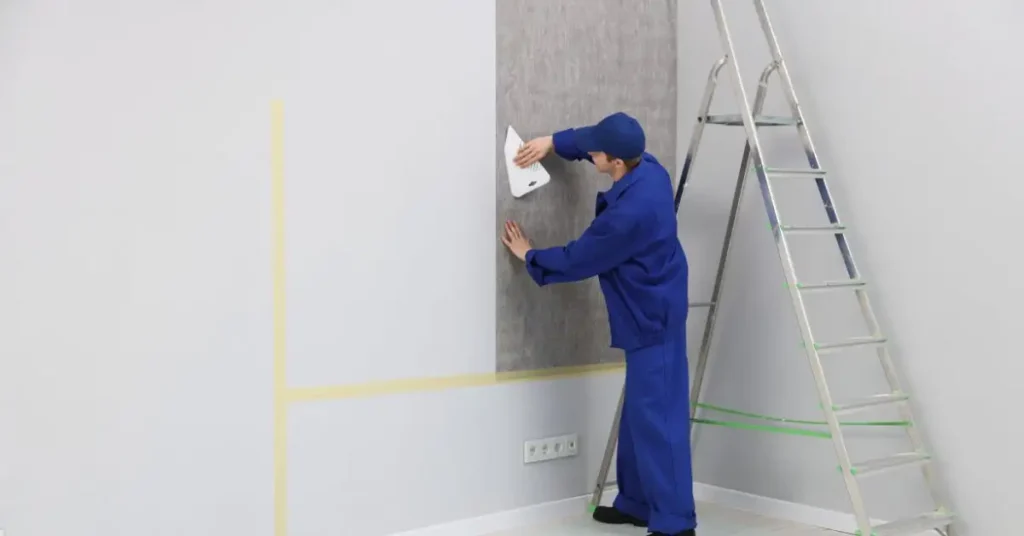
Most Toronto homeowners repaint their house only when the damage is already done peeling walls, faded exteriors, and moisture creeping in where it shouldn’t. If you’ve ever asked yourself how often should you paint your house, you’re not alone, and the answer matters more than most people realize.
On average, a house should be repainted every 5–10 years on the exterior and every 3–7 years on the interior, depending on the surface material, paint quality, and local climate conditions.
For Toronto homeowners, the city’s harsh winters and humid summers make that timeline even more critical to get right. At TidyUp HandyCrew, our professional house painting and surface finishing services help Toronto families protect their homes, improve curb appeal, and avoid costly structural damage – before it starts. In this blog, we’ll walk you through exactly when to repaint, what signs to watch for, and how to make your paint last longer.
Why the Frequency of House Painting Matters More Than You Think
Most homeowners fall into one of two traps. They either wait until the paint is visibly crumbling before picking up the phone, or they repaint on a rigid schedule without asking whether the walls actually need it yet. Neither approach serves your home well. The truth is, painting your house at the right frequency is less about following a fixed calendar and more about understanding what your home is telling you.
Paint acts as a protective barrier between your walls and the outside world, shielding surfaces from moisture, UV damage, pests, and temperature swings. When that barrier breaks down, the problems that follow go well beyond aesthetics. Getting the timing right protects your investment, keeps your home looking its best, and saves you real money over the long run. That is why understanding painting frequency is one of the most practical things a homeowner can know.
How Toronto’s Climate Affects Your Paint Timeline
Toronto winters regularly bring temperatures that dip well below freezing, followed by warming spells that push above zero again. Summers in the GTA bring high humidity and intense UV exposure that fades and chalks paint faster than in drier climates. Spring adds prolonged moisture from rain and snowmelt. The result is that Toronto homeowners are typically working with the shorter end of any recommended painting range, not the longer one. When the time comes, our house painting and surface finishing services are designed specifically for Toronto homes, using climate-appropriate paints and proper surface prep that makes every coat last as long as possible.
How Often Should You Paint the Interior of Your House?
Understanding your home room by room gives you a much more accurate picture of when each space actually needs attention.
Living Rooms and Bedrooms
These are the most forgiving rooms in the house. Low foot traffic, minimal moisture, and relatively stable temperature conditions mean that a good quality paint job in a living room or bedroom can comfortably last 5 to 7 years before it starts to look tired.
Kitchen
The kitchen is the hardest room on interior paint. Grease particles settle on walls near the stove. Steam from boiling water lifts paint film over time. Cooking splatter leaves stains that are difficult to clean without scrubbing the finish off in the process. Kitchen walls typically need repainting every 3 to 4 years, sometimes sooner depending on how heavily the space is used.
Bathroom
Bathrooms should be repainted every 3 to 4 years, and when they are, moisture-resistant paint is not optional – it is essential. Peeling paint in a bathroom almost always points to either the wrong paint type being used, poor ventilation, or both.
Hallways, Stairs, and High-Traffic Areas
High-traffic areas like hallways and stairs typically need repainting every 2 to 3 years. A durable, washable paint finish helps, but even the best paint cannot hold up indefinitely in spaces that see this level of daily contact.
Ceilings
Ceilings are largely left alone in the typical repaint cycle, and for good reason. They receive no direct contact, minimal UV exposure, and in rooms with proper ventilation, very little moisture impact.
When you are ready to refresh any room in your home, our house painting and surface finishing services cover every space from kitchens and bathrooms to full interior repaints across Toronto and the GTA.
7 Clear Signs It Is Time to Repaint – Regardless of Schedule
Timelines are useful as a starting point, but your walls will often tell you what you need to know before any schedule does. These seven signs mean it is time to repaint, no matter when the last coat went on.
1. Peeling, Bubbling, or Flaking Paint
This is the most urgent sign on the list. Peeling or bubbling paint means moisture has already gotten beneath the surface, and it will not stop on its own. On exteriors, this happens when water infiltrates the paint film through cracks or gaps. On interior walls, it usually points to humidity or a leak. Address the source first, then repaint.
2. Fading or Chalking
Fading is gradual and easy to ignore until the color looks nothing like it once did. Chalking – where the paint surface develops a powdery residue – is a sign of UV breakdown in the paint film. Both issues are common on Toronto exteriors, particularly on south-facing walls that absorb the most direct sunlight year-round.
3. Visible Cracks or Hairline Fractures
Small cracks in paint are not just cosmetic. They are entry points for water, especially on exterior surfaces. In Toronto’s freeze-thaw climate, a hairline crack in autumn becomes a much larger problem by spring. Catch cracks early and they are easy to repair. Leave them, and the damage underneath becomes the real cost.
4. Staining That Will Not Clean Off
Some stains – watermarks, smoke, grease, rust bleeding through from metal fixtures – cannot be wiped away. If scrubbing is taking the paint finish off along with the stain, the surface needs to be properly primed and repainted rather than cleaned any further.
5. Mold or Mildew Spots
Mold on painted surfaces is a health concern, not just a visual one. It appears as dark spots, often near windows, in bathrooms, or on exterior walls with poor drainage. Painting over mold without treating it first will not solve the problem – the mold continues to grow beneath the new coat. Always treat and prime before repainting any affected surface.
6. Dents, Scratches, and Scuffs That Look Worn
There is a point where individual touch-ups stop making sense and a full repaint becomes the cleaner, more cost-effective solution. If a wall has accumulated enough dents, scratches, and worn patches that touch-up paint is visible in multiple places, a fresh coat across the entire surface will look far better and last far longer.
7. You Are Preparing to Sell Your Home
Fresh paint is one of the highest-return investments you can make before listing a property. It makes rooms feel larger, cleaner, and more cared-for. Real estate professionals consistently rank interior painting among the top pre-sale improvements for return on investment.
Factors That Affect How Often You Should Repaint
The timelines covered above are solid starting points, but several variables shift those timelines significantly in one direction or the other. Here is what actually determines how long your paint lasts.
Paint Quality
Higher-quality paints contain more pigment, better binders, and additives that resist UV breakdown, moisture, and mildew. They cost more upfront, but they extend the repaint cycle by years – which means fewer paint jobs over the life of your home and lower long-term spending.
Surface Preparation
Good surface prep means cleaning the surface, sanding rough areas, filling cracks and holes, and applying the right primer before the top coat goes on. When any of those steps are skipped, the paint does not adhere properly. It peels sooner, cracks sooner, and needs repainting sooner.
Sun Exposure and Shade
Where your home sits and which direction it faces has a real impact on how quickly paint degrades. South-facing exterior walls in Toronto receive the most direct sunlight throughout the year, which means more UV exposure and faster fading and chalking. These walls will typically need attention sooner than others.
Whether You Power Washed Before Painting
Power washing before a repaint is not optional – it is part of proper surface preparation. Painting over dirt, algae, or loose old paint is one of the most common reasons a new coat fails within a year or two of application. A thorough soft pressure wash removes built-up grime, biological growth, and chalky residue so the new paint bonds directly to a clean surface.
Interior vs. Exterior Painting: A Quick Reference Guide
If you have been scrolling through this guide looking for a fast summary, this table is for you. Every surface type covered above, alongside its recommended repaint frequency and the primary risk factor that drives that timeline.
| Surface | Location | Repaint Frequency | Key Risk Factor |
| Wood Siding | Exterior | Every 3 to 7 years | Moisture absorption and freeze-thaw damage |
| Brick and Masonry | Exterior | Every 15 to 20 years | Moisture trapping from non-breathable paint |
| Stucco | Exterior | Every 5 to 6 years | Cracking from temperature swings |
| Living Room and Bedroom | Interior | Every 5 to 7 years | Sun fading near windows |
| Kitchen & Bathroom | Interior | Every 3 to 4 years | Grease, steam, and cooking splatter. Humidity and poor ventilation |
| Hallways and Stairs | Interior | Every 2 to 3 years | Physical contact, scuffs, and handprints |
| Ceilings | Interior | Every 10 or more years | Water staining from leaks above |
Should You DIY or Hire a Professional Painter in Toronto?
This is a question worth answering honestly. Not every paint job requires a professional, and we would rather give you a straight answer than push you toward a service call you do not need. That said, there are situations where attempting to DIY a paint job ends up costing significantly more than hiring someone from the start.
When DIY Makes Sense
There are genuinely good situations for a DIY approach. A single accent wall in a bedroom, a touch-up job in a low-traffic room, or a small interior space with simple, flat surfaces are all reasonable candidates for doing it yourself – provided you take the time to prep properly, use the right primer, and choose a paint suited to the room.
What a Professional Painter Does That DIY Cannot Easily Replicate
The visible difference between a professional paint job and a DIY one usually comes down to preparation, not the painting itself. A professional painter assesses the surface first, identifies problem areas, treats them correctly, and applies the right primer before a single drop of finish coat is used. There is also the matter of workmanship. At TidyUp HandyCrew, we stand behind our work. If an issue arises after a job is complete, we address it. That kind of accountability is something a DIY job simply cannot offer.
Final Thoughts
There is no single answer to how often you should paint your house, but there are clear guidelines that make the decision much easier.More important than any fixed schedule is knowing what to look for. Peeling, cracking, fading, mold, and persistent staining are all signs that your home needs attention now, regardless of when the last coat went on.The biggest mistake Toronto homeowners make is waiting until things look bad. By that point, paint is the least of the repairs needed.
If you are ready to repaint or simply want to know where your home stands, we are here to help. Get a free quote for professional house painting in Toronto and our team will assess your home and walk you through exactly what it needs. Not sure where to start? Contact TidyUp HandyCrew today and we will take it from there.
Frequently Asked Questions About House Painting Frequency
Question: How often should you paint the outside of your house in Canada?
Answer: Most Toronto homes need exterior repainting every 5 to 10 years, depending on the surface material and regional climate. In harsher climates like Toronto and the GTA, where freeze-thaw cycles and humidity are a yearly reality, the shorter end of that range is more realistic for most surfaces.
Question: What happens if you don’t repaint your house for a long time?
Answer: When paint breaks down and is left unaddressed, it stops protecting the surface beneath it. Moisture begins to penetrate, leading to wood rot, mold growth, and structural damage that costs far more to repair than a timely repaint would have.
Question: Is it better to paint a house in summer or winter in Toronto?
Answer: Late spring through early fall is the best window for exterior painting in Toronto, when temperatures are consistently above 10 degrees Celsius and humidity is manageable.
Question: How much does it cost to paint a house in Toronto?
Answer: Costs vary based on home size, surface condition, paint quality, and whether the work is interior or exterior. We cover current pricing in detail in our guide on house painting services cost in Toronto, which walks through real price ranges for different project types across the GTA.
