

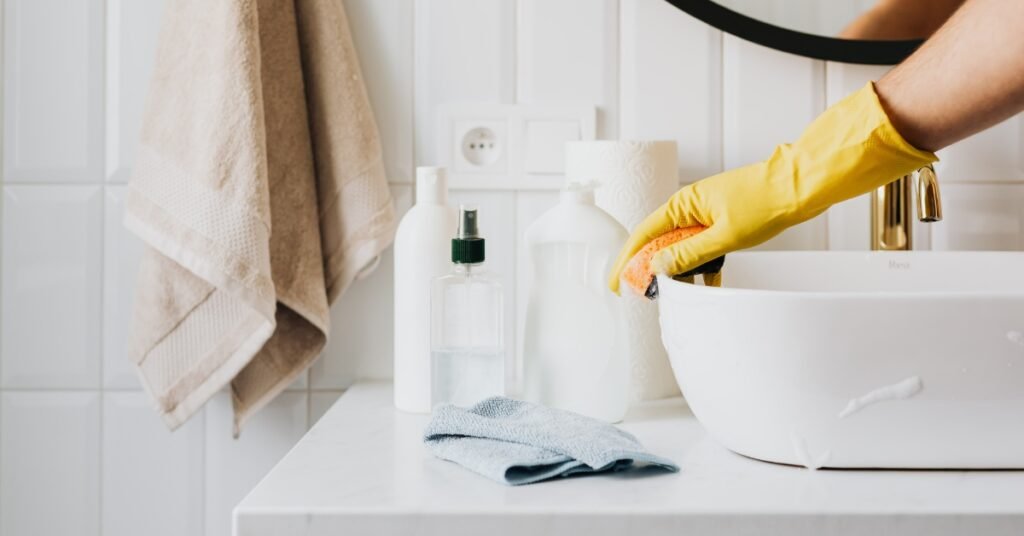
The bathroom is the most germ-dense room in your home, yet most people only give it a quick wipe-down and call it clean. Knowing how to deep clean a bathroom properly makes a real difference to your health, your home, and your peace of mind.
A bathroom deep clean is a thorough, top-to-bottom cleaning process that goes beyond surface wiping to target grout lines, hidden bacteria zones, soap scum buildup, exhaust fans, and fixtures.
For Toronto homeowners, this matters even more. Hard water, sealed winter homes, and daily high-traffic use make bathrooms one of the fastest places for bacteria and mould to take hold. At TidyUp HandyCrew, we provide house deep cleaning services in Toronto for homeowners who want results that go far beyond what a standard clean delivers.In this blog, we’ll walk you through every step.
What Is a Bathroom Deep Clean And How Is It Different From Regular Cleaning?
Most people clean their bathroom every week. But regular cleaning and a deep clean are not the same thing. Not even close. A regular clean keeps surfaces looking tidy. It takes 15 to 20 minutes, covers the obvious spots, and deals with what you can see. A deep clean targets the bacteria, mould, soap scum, and mineral buildup that accumulate in places a quick wipe never reaches.
Regular Cleaning vs. Deep Cleaning: What Is the Difference?
Regular cleaning covers what is visible: wiping the sink, scrubbing the toilet bowl, mopping the floor, and replacing towels. It keeps the bathroom presentable and prevents obvious buildup from getting worse.
A bathroom deep clean goes into the area’s regular cleaning skips entirely.
- Grout lines between tiles, where mould and discolouration build up over weeks of moisture exposure.
- Behind and under the toilet, where bacteria accumulate in spaces a mop never reaches.
- Inside the toilet tank, where sediment causes bowl staining over time.
- Exhaust fan covers and ceiling vents, which trap dust and reduce airflow.
- Soap scum on glass doors and tiled walls, which hardens into a film that ordinary spray cannot remove.
How to Deep Clean a Bathroom: Step by Step
This is the part most people search for. Follow these steps in order and you will cover every surface, fixture, and hidden area in your bathroom without missing anything or doubling back. The sequence matters. Working top to bottom and treating wet zones before dry zones saves time and prevents you from dirtying surfaces you have already cleaned.
Step 1: Declutter and Clear All Surfaces
Start by removing everything from the bathroom. Every shampoo bottle, soap dish, toothbrush holder, candle, and decorative item comes off the countertop, shelves, and shower ledges. Do not skip this step. Cleaning around objects is not a deep clean. Every surface needs to be fully exposed and accessible before you start.
Step 2 : Dust and Dry-Wipe From the Top Down
Start at the ceiling and work downward. Use a dry microfibre cloth or a duster to sweep ceiling corners, the exhaust fan cover, light fixtures, windowsills, and the tops of cabinets. Dry dusting before any wet cleaning is important. If you spray water or cleaning products first, airborne dust mixes with the moisture and smears across surfaces you are about to clean. Do the dry pass first and you avoid that problem entirely.
Step 3: Apply Cleaner to the Toilet and Let It Soak
Squeeze toilet bowl cleaner under the rim of the bowl, making sure it coats the sides as it runs down. Then leave it. Do not scrub yet. The cleaner needs time to work. While it soaks, you clean everything else in the bathroom. This is the soak-and-return method, and it makes the scrubbing step far easier because the product has broken down the staining before you touch it.
Step 4: Scrub the Shower and Bathtub
Spray your all-purpose cleaner or a diluted white vinegar solution across the shower walls, floor, and any fixtures. Let it sit for two to three minutes before scrubbing. Glass shower doors respond well to a white vinegar soak. Spray generously, leave for five minutes, then wipe with a microfibre cloth in circular motions.
Step 5 : Clean the Sink, Countertop, and Faucets
Sprinkle baking soda into the sink basin and scrub with a damp brush or sponge. The baking soda acts as a mild abrasive that lifts staining without scratching the porcelain. Let it sit for a minute, then rinse with warm water. The faucet base is where the limescale accumulates fastest.
Step 6 : Clean the Mirror Streak-Free
Spray glass cleaner directly onto the mirror surface and wipe using a clean, dry microfibre cloth. Work from the top of the mirror to the bottom, then side to side. The most common cause of streaks is a damp cloth. Use a dry one and the mirror will clear first time.
Step 7: Scrub and Sanitize the Toilet Completely
Return to the toilet now that the bowl cleaner has had time to work. Scrub the inside of the bowl thoroughly, paying attention to the underside of the rim where staining collects. But the bowl is only part of it. The exterior of the toilet carries some of the highest bacteria counts of any bathroom surface, according to research from NSF International.
Step 8 : Clean Baseboards, Cabinet Fronts, and Door Handles
These three areas are the most commonly skipped in a bathroom clean. Baseboards collect dust, hair, and moisture at floor level. Wipe them with a damp microfibre cloth, paying attention to corners where the baseboard meets the wall. Cabinet fronts build up a film of product residue, fingerprints, and moisture over time.
Step 9: Deep Clean the Floor and Grout Lines
Sweep or vacuum the floor before any wet cleaning. Hair and dust need to come up dry before the mop goes down, otherwise they clump and smear. Mop the floor using a pH-neutral floor cleaner diluted according to the product instructions. Wring the mop well. Over-saturating a bathroom floor forces water into grout lines and, over time, loosens the grout.
Step 10: Finish With Fresh Linens and Ventilation
Replace bath mats, hand towels, and shower curtains with clean ones. If your bath mat has not been washed recently, now is the right time. Run the exhaust fan for at least 15 to 20 minutes after finishing. A deep clean involves a significant amount of moisture from scrubbing, rinsing, and mopping.
The Problem Areas Most People Miss When Deep Cleaning a Bathroom
A step-by-step clean covers the major surfaces. But there are five specific areas that most cleaning guides skip, and they are the areas where the real bacteria, mould, and buildup actually live.
Grout Lines: How to Remove Discolouration and Mildew
The most effective DIY method for grout cleaning uses a paste of baking soda and hydrogen peroxide in roughly equal parts. Apply it directly to the grout line, leave for ten minutes, then scrub with a grout brush using short, firm strokes along the line. Rinse with warm water.
Soap Scum on Tiles and Glass Doors
Soap scum is not just soap residue. It forms when soap combines with the calcium and magnesium in hard water, creating a compound that bonds to glass and tile surfaces. The longer it sits, the harder it becomes to remove.
The Exhaust Fan and Ceiling Vents
Dust accumulates on the fan grille and inside the housing. A clogged exhaust fan cannot pull moisture out of the room effectively. That means longer drying time after showers, higher humidity levels, and a significantly increased risk of mould developing on the ceiling and upper walls.
Inside the Toilet Tank
Lift the lid off your toilet tank and look inside. Most homeowners never do this. Over time, sediment, mineral deposits, and in some cases bacteria build up on the walls of the tank. That buildup contributes to the bowl staining that forms just below the waterline, even in bathrooms that are cleaned regularly.
Behind and Under the Toilet
The floor directly behind the toilet base is one of the most bacteria-dense areas in any bathroom. Mops cannot reach it properly. Most people do not get down to scrub it manually during a regular clean.
How to Deep Clean Bathroom Tiles and Grout Specifically
Tiles and grout deserve their own section. This is the part of a bathroom deep clean that takes the most effort, produces the most visible result, and is the most frequently asked about.
DIY Grout Cleaning Methods That Actually Work
Three methods work consistently for home grout cleaning. Each suits a different level of staining.
1st method: Baking soda and hydrogen peroxide paste
2nd method: White vinegar spray
3rd method: Commercial grout cleaner
Whichever method you use, dry the grout after rinsing with a cloth. Grout that stays wet after cleaning takes longer to dry and stays vulnerable to mildew longer.
When DIY Grout Cleaning Is Not Enough
Four signs tell you that a DIY clean will not get the result you are looking for.
First, the grout has turned consistently black or dark brown across large areas, not just in isolated spots.
Second, mildew returns within a week of cleaning, which indicates the mould has penetrated below the surface of the grout rather than sitting on top of it.
Third, the grout is cracking, crumbling, or pulling away from the tile edges.
Fourth, scrubbing with a paste and brush produces little to no visible improvement after two attempts.
Professional tile cleaning uses high-concentration alkaline cleaners and mechanical scrubbing tools that reach the porous interior of grout where household products do not penetrate. The result is a genuine restoration rather than a surface improvement.
How Often Should You Deep Clean Your Bathroom?
A deep clean done well takes one to three hours. That is not something most people can or should do every week. The goal is a maintenance rhythm that keeps the bathroom genuinely clean without making every clean a major project.
Weekly, Monthly, and Seasonal Deep Cleaning Schedule
A sustainable bathroom cleaning routine works across three timeframes.
Weekly (20 to 30 minutes): Scrub the toilet bowl, wipe the sink and countertop, mop the floor, clean the mirror, and replace towels and bath mats. This keeps the bathroom presentable and prevents surface buildup.
Monthly (45 to 60 minutes): Add grout inspection and a spot scrub of any discoloured sections, descale the faucets, clean cabinet fronts and baseboards, and check the exhaust fan cover for dust buildup.
Seasonally or every three months (1 to 3 hours): Full deep clean covering all ten steps above, including the toilet tank, behind the toilet, exhaust fan housing, and a complete grout scrub.
When to Stop DIY and Call a Professional Bathroom Cleaner
There is a point where scrubbing harder does not produce a better result. Recognising that point saves you time, effort, and frustration. Professional bathroom cleaning is not just for people who do not want to clean. It is for situations where the bathroom has gone past what household products and a brush can fix.
Signs Your Bathroom Needs a Professional Deep Clean
Five situations call for a professional clean rather than another DIY attempt.
- Mould returns within a week of cleaning
- Grout does not respond to DIY methods
- The bathroom smells even after a full clean
- Soap scum has hardened into a thick, opaque film
- No proper deep clean has been done in over six months
What a Professional Bathroom Deep Clean Actually Includes
A professional bathroom deep clean from TidyUp HandyCrew covers grout restoration using commercial-grade solutions and mechanical scrubbing tools. It includes full toilet sanitisation from the tank lid to the floor around the base. We clean and clear exhaust fan housing, not just the cover. We descale faucets and showerheads using professional descaling products.
Final Thoughts
In 2026, deep cleaning your bathroom is all about using the right tools, effective techniques, and staying consistent. By following the steps we’ve outlined, you can maintain a sparkling clean space and prevent build-up that can lead to bigger problems down the line.
At TidyUp HandyCrew, we know that a clean bathroom isn’t just about aesthetics-it’s about creating a healthy, comfortable environment for you and your family. Our deep cleaning services in Toronto are designed to give you more time to enjoy a spotless home without the hassle. Take action now to keep your bathroom fresh and sanitized. You deserve a home that feels clean and welcoming every day, visit us or contact us today for a planning consultation and get the expert support you need to bring your vision to life.
Frequently Asked Questions
Question: How long does it take to paint a house exterior in Toronto?
It typically takes 3 to 7 days to paint a house exterior in Toronto, depending on the size of the home and the weather. Smaller homes may take less time, while larger homes or those requiring detailed work, such as multiple coats, can take longer.
Question: What is the best time of year to paint a house exterior in Toronto?
The best months to paint your home’s exterior in Toronto are late spring (May–June) and early fall (September–October). During these times, temperatures are mild, and the chances of rain are lower, ensuring optimal drying conditions for the paint.
Question: How do weather conditions affect exterior house painting in Toronto?
Toronto’s unpredictable weather plays a big role in painting projects. Rain, high humidity, or extreme cold can delay painting and affect drying times between coats. It’s essential to check the forecast and plan around these factors to avoid delays.
Question: Can I paint my house exterior myself, or should I hire professionals?
While you can paint your home yourself, hiring professional painters can save you time and provide higher quality results. Professionals have the tools and expertise to handle surface preparation, weather conditions, and large-scale painting projects more efficiently, which ultimately speeds up the process and ensures a longer-lasting finish.
Question: How long does it take to prepare the exterior of my house for painting?
Preparing your home’s exterior typically takes 1 to 2 days. This includes power washing, scraping off old paint, repairing any damage, and applying a primer.
